

What live marketing is and what changes for people
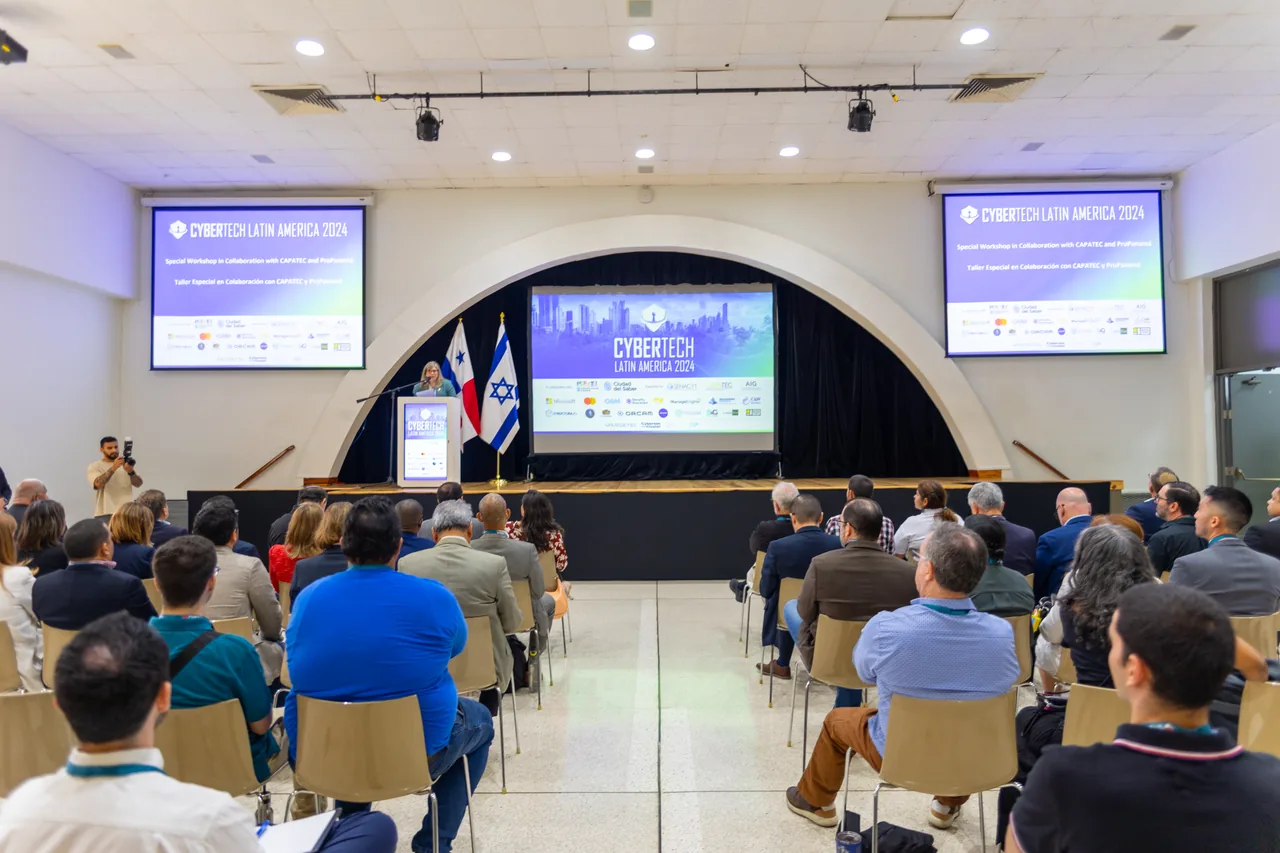
Live marketing proposes a direct encounter between a brand and people.
A demonstration, a product trial or a conversation at an event allows people to participate and ask questions on the spot. The audience is no longer just receiving a message: they have something to explore and someone to talk to.
To recognize it, ask what the person can do. Seeing a logo is not the same as trying a feature, comparing alternatives or resolving a question. That specific action should be at the center of the design, even if the experience also includes atmosphere, entertainment or digital content.
A simple interaction is enough if it helps people understand the offering and make a more informed decision.
Live marketing focuses on that real-time encounter. Experiential marketing is a broader framework for designing the relationship with the brand. To explore formats and choose them according to their purpose, you can continue with our experiential marketing tactics.
For further reading, Paul Cole discusses in the AMA the customer's story as the protagonist of the experience (2016, in English). It is a perspective for thinking about what someone can experience and recount; not a sales promise or a current performance figure.
Encounters that bring people together
When to use it
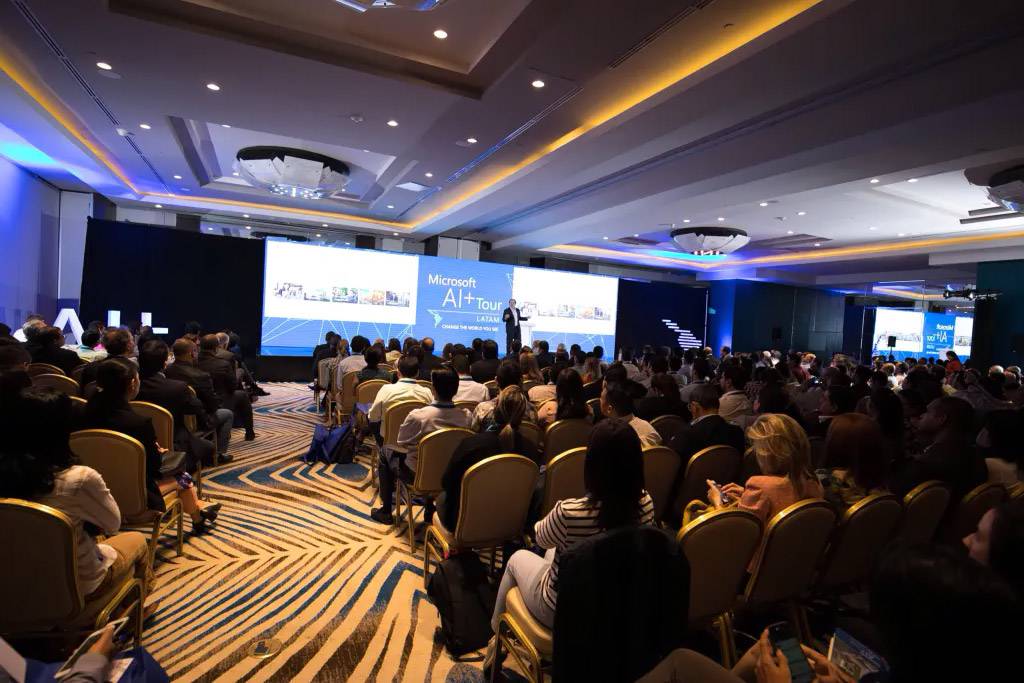
Consider this approach when a conversation or trial can contribute something that an explanation alone cannot resolve.
It can help introduce a little-known use, hear objections or support the discovery of a product. Define which of those needs you want to address before choosing the format.
Adapt the duration, invitation and location to what the audience needs and can do in that context.
It is also worth recognizing when not to use it. If the product is not ready to demonstrate, basic answers are missing or no one can attend to participants, attracting more people may increase frustration. Resolve those conditions first; then decide the scale of the encounter.
Choose a specific objective: compare uses, discover a feature or check whether the solution fits.
Three examples of turning an idea into participation
Product trial. Imagine a brand that needs to explain a difference in use. Instead of handing out samples without context, offer a guided trial with a clear instruction. Then ask what the person noticed and what they still do not understand. This is an illustrative example, not a result attributed to a client.
The product sampling guide develops this logic: define what is being tried, how the experience is supported and what information the participant needs. The sample is a resource; the learning it enables is what gives it meaning.
Demonstrating a digital solution. A station can invite people to complete a realistic task, such as finding an option or configuring a service. The facilitator observes where questions arise and explains the tool's limits. Using fictional data keeps a demonstration from becoming an unnecessary disclosure of personal information.
Conversation at a professional event. An opening question can guide a visitor toward a relevant case or reading, without forcing them to fill out a form.
All three formats invite people to act and listen, and offer a next step according to the person's needs.
The space communicates too
Four questions for designing the interaction
Write down the main question that will prompt the visitor to approach.
Turn the question into a clear invitation, a relevant activity and a closing conversation. The team should know the message and its limits.
Before production, walk through that sequence with someone who was not involved in the design. Ask them to explain what they should do. If they need too much clarification, review the instructions, order or activity. A brief trial can reveal problems that do not appear in a presentation.
- What will the person be able to try or understand during their participation?
- How will they know what to do without a lengthy explanation?
- Who will respond if a question arises that the team cannot resolve?
- Can they leave or decline the invitation without pressure?
The four questions at a glance

A brief the team can use
The brief is the working agreement that connects brand intent with operational decisions. It should clarify the essentials before requesting quotes or choosing technology. These questions are a starting point:
To connect these decisions with timing, responsibilities and production, see how to plan a brand event from start to finish. Planning should make clear who validates changes and what happens if a venue condition requires the experience to be adapted.
- Need: what problem, question or expectation do we want to address?
- Audience: whom do we expect, and what do they already know about the offering?
- Action: what will people be able to do, try or ask during the encounter?
- Context: where does it take place, how much time is available and what restrictions apply?
- Operations: who facilitates, responds, maintains the equipment and resolves incidents?
- Resources: what budget, materials and capabilities are actually available?
- Evidence: what will we observe to determine whether the activity fulfilled its purpose?
- Continuity: what can the person choose afterward, without pressure?
Designing for easy participation
A clear offering also needs conditions that enable participation. Review how people reach the space, whether instructions are understandable, where queues form and whether the team can guide people without interrupting the activity. The experience includes those moments, not just the part shown in the photograph.
The W3C WAI checklist for accessible events recommends considering the venue or platform, materials and the needs of participants and speakers. It includes aspects such as captions, explanations of visual information and accessible materials. Use it as a planning reference, not as automatic certification of your event.
Offer alternatives if the activity depends on a device, audio or quick responses. Check the solutions with the people involved.
What to learn after the encounter
The audience's questions and reactions can inform the next communication decision. Record recurring topics and usability difficulties without confusing them with a representative opinion of the entire market.
An interesting comment is a lead to investigate, not an automatic conclusion.
An experience does not need to turn every participation into a personal record either. If there is a next step, explain what it is for and let the person choose it.
At the end, identify what helped people understand the offering and what needs clarification.
Distinguish observations, interpretations and decisions. “Three people could not find the button” describes something observed; “the design does not work” is already an interpretation. Record what happened, under what conditions and what change should be tried. This allows the learning to be shared and checked with the rest of the team.
What to measure and how to interpret the signals
Choose measures linked to the objective. Attendance describes volume, not understanding, satisfaction or purchase intent. Combine figures with brief observations.
FAQ opens show interest in certain topics, but they do not equal unique people or prove that the answer was useful.
Our guide on how to measure brand experiences expands on these criteria. Before comparing activities, use consistent definitions and separate team tests from visitor interactions. A signal guides an investigation; it does not replace conversation with the audience.
- Participation: how many interactions begin and how many reach the end.
- Understanding: what the person can explain or resolve after the activity.
- Friction: where they stop, what they repeat and when they need help.
- Declared interest: what topic they ask about or what information they voluntarily request.
- Continuity: what next step they choose, if the experience offers one.
Five signals at a glance

Mistakes to avoid
An experience can look attractive and still be difficult to understand. Before expanding production, check the basics: a clear invitation, a relevant activity, a prepared team and a closing that respects the participant's choice.
- Choosing the screen or setup first and looking for a reason to use them afterward.
- Piling messages, instructions and objectives into a single interaction.
- Preparing the team to repeat a speech, but not to listen or acknowledge what they do not know.
- Confusing a code scan with a commercial inquiry or permission to make contact.
- Presenting reach, clicks or photographs as sufficient proof of a business result.
The next step: clarify the interaction
Complete the sentence: “We want this person to be able to ___ because they need ___.” Then check whether the proposed activity actually makes it possible.
At GX Live Marketing, we seek to connect brand intent with an experience that can be understood, carried out and reviewed. The value lies not in adding unlimited stimuli, but in giving meaning to the encounter and learning from what people do, ask and choose.
Sources and references
For the narrative approach, we consulted The Customer’s Story is the New Narrative in Experiential Marketing, published by the American Marketing Association in 2016. It provides conceptual context, not evidence of GX results.
For inclusive planning, we consulted Making Events Accessible, the W3C WAI checklist for in-person, virtual and hybrid encounters. Using it as a reference does not certify a particular event.
Frequently asked questions about live marketing
Are live marketing and organizing an event the same thing?
No. An event is one possible context; live marketing needs an interaction that allows people to understand, try or discuss the offering. Start with what the participant will be able to do.
Does it work for a small business?
Yes, if there is a specific need and the capacity to address it. A limited demonstration or guided trial may be enough; design a scale the team can sustain.
Can it be virtual or hybrid?
Yes, if there is real participation rather than just a broadcast. Plan for moderation, accessibility and alternatives for anyone unable to use a platform feature.
What determines the budget for an experience?
Objective, participants, duration, location, staff, content, technology and operations. Without that context, there is no useful universal figure; a brief allows alternatives to be compared.
How far in advance should it be planned?
It depends on production, approvals, suppliers and testing. Work backward from the date to build a schedule, and include a trial of the interaction.
What should be measured besides attendance?
Observe what participation starts and finishes, what questions arise, where help is needed and what next steps are requested. Link each measure to the objective and record its limits.
Does every code scan count as a lead?
No. It may be an inquiry or a repeat open. Separate the technical event from the declared intent; only prepare follow-up if the person chooses that purpose.
What should I prepare before speaking with an agency?
Describe the need, audience, context, date, resources, restrictions and what the person will be able to do or understand. Identify the questions still open to complete the brief.