
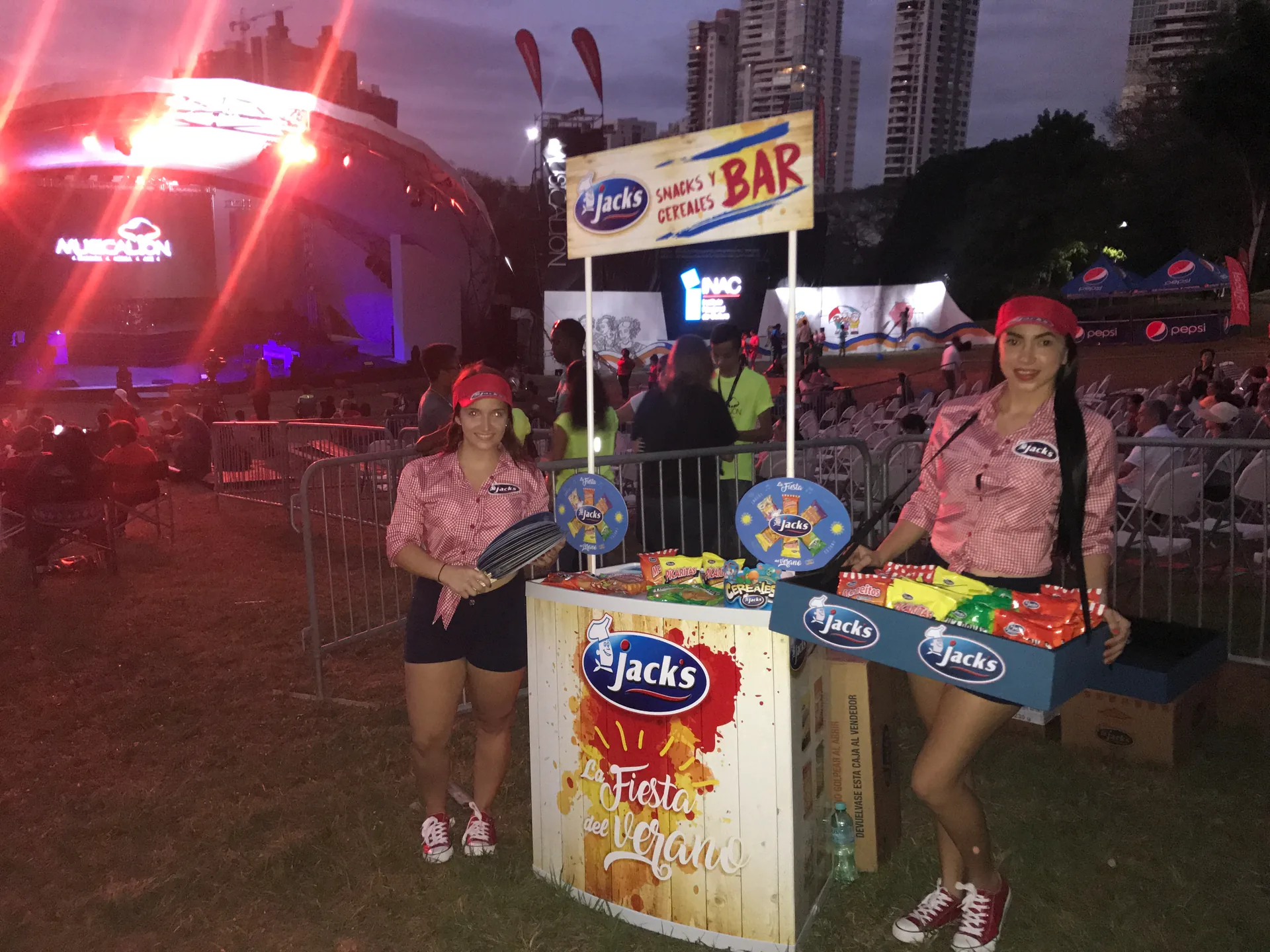

What product sampling can help people learn
Product sampling means enabling people to try a product before a possible purchase. It can take the form of a sample, a demonstration or limited access. The important decision is not how much to give away, but what the person will be able to learn through that trial and what they will still be unable to assess.
The experience should answer a specific question. Someone may want to discover a texture, understand how to use something or compare a format with one they already use. Handing out an object without explaining what it is and how to try it may get samples circulating, but does not necessarily help people understand the product.
Reaching the right audience matters more than handing samples to anyone. Identify a use situation and check whether the setting allows people to stop, listen and try. The guide to audiences helps describe that need. A busy location may be a poor fit if the people passing by have no interest or time.
The trial can reduce uncertainty without eliminating every objection. A first contact does not demonstrate durability, long-term performance or suitability for every person. Clarify what the sample represents and avoid extending its results to attributes that require another assessment. That precision protects the usefulness of the conversation.
Choose the format according to the use situation
A physical sample allows people to explore attributes of the product itself. Its size should be sufficient for the intended use, not merely convenient for distribution. Check the presentation, identification and instructions. A tiny container that makes it impossible to understand how to use the product can frustrate the very trial you were trying to enable.
A demonstration is useful when observing use provides information. It can show a feature, a step or a difference between formats. Offer the person real participation where appropriate, without turning the activity into an endless explanation. Define what question it will resolve before deciding its duration.
Home delivery changes the experience and the operation. The person will receive the product without a promoter beside them, so they need to recognize it and find simple instructions. Review recipients, availability and delivery before promising shipment. The sample arrives as part of a relationship, not as an isolated package.
A digital trial needs understandable limits from the start. Explain which features are available, how long it lasts and what happens when it ends. Do not confuse a free product trial with a subscription or a rebate promotion. They are different mechanisms, and the person should know what decision they are making in each one.
Bring the trial closer to the purchasing context
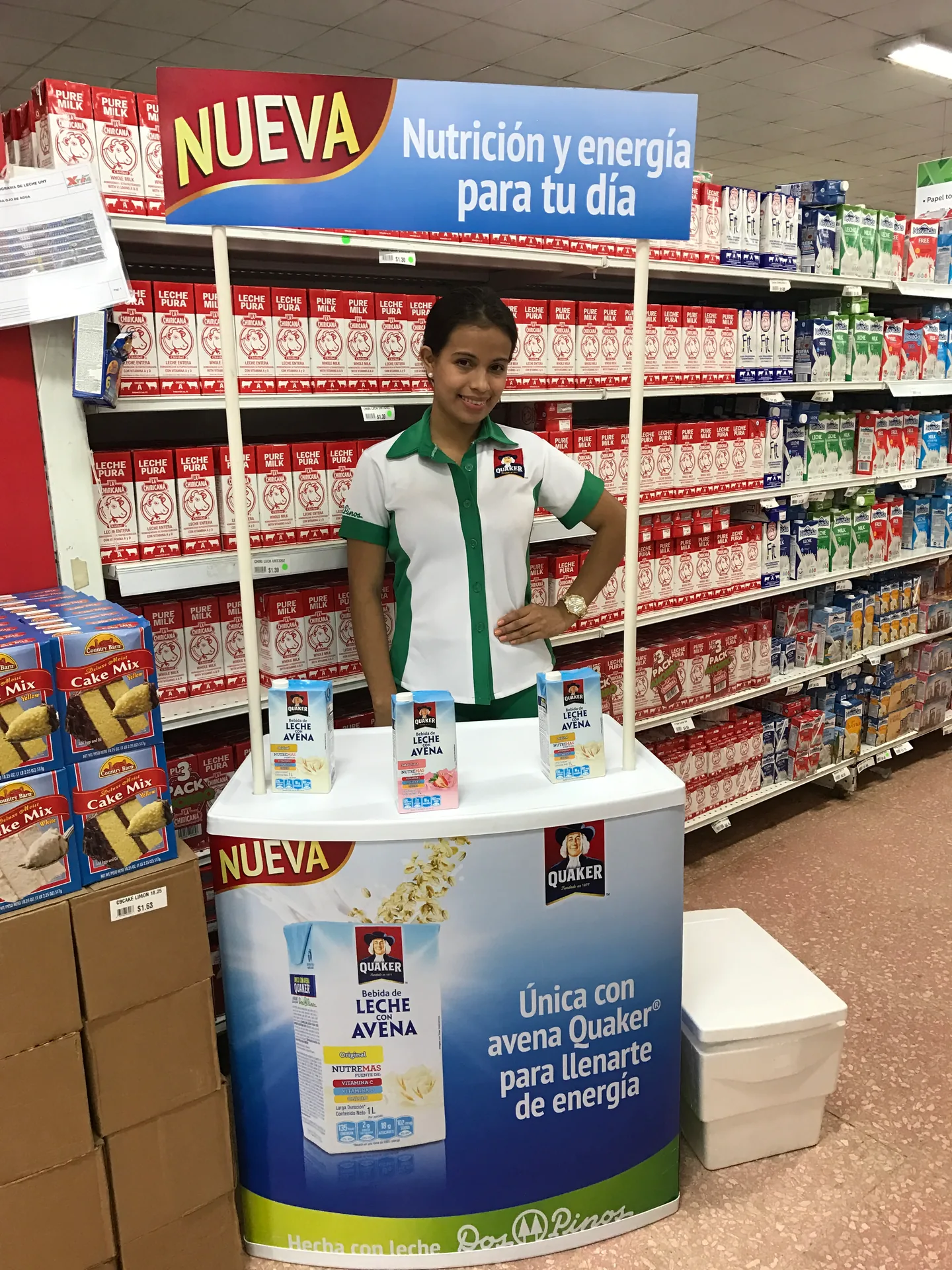
Prepare operations before opening the activity
Product availability should support the invitation. Organize quantities, replenishment and closure when stock runs out. Agreeing on an alternative prevents the team from improvising delivery promises. It is also useful to separate units received, prepared, handed out and discarded to understand where the activity's resources were used.
Conditions of use require instructions from the person responsible for the product. The team should know the restrictions, storage requirements and questions it cannot resolve on its own. Do not invent technical recommendations to move a queue faster. If a relevant question arises, provide a clear referral before continuing the trial.
The location changes what the person can perceive. Noise, lighting, space and available time can affect the demonstration. Rehearse the journey with the actual materials and check that the instructions are understood. The team's trial should detect setup problems before visitors have to solve them.
Staff need a brief script and room to listen. Include a welcome, purpose, instructions and a respectful exit. Our explanation of live marketing helps design that sequence. Do not turn every interaction into an identical speech if the person already knows the product or asks a different question.
four questions for designing the interaction

Invite without creating an obligation to buy
Accepting a sample does not oblige anyone to buy or praise it. Avoid phrases that turn a commercial gesture into personal pressure. A polite refusal is also part of a good interaction. The team can explain where to get the product without making people feel that trying it meant accepting a hidden condition.
A useful opinion may be favorable, indifferent or critical. Ask what the person noticed, how they would use it and what question remains. Do not ask only for a rating that confirms the brand's expectation. Open answers can reveal confusion about an instruction or a presentation the team considered obvious.
Receiving a sample and granting permission for follow-up are separate decisions. Explain why data is being requested and make the next contact understandable. Do not turn a participant list into automatic authorization for other communications. Collect only the information relevant to the purpose that has been explained.
Documenting the activity does not require turning every participant into content. Decide which images are needed and review permissions before using them. A photo of the setup can explain the experience without identifying people. If you want to publish an opinion, preserve its context and do not present it as a general result.
Measure from distribution to decision
Units handed out describe activity, not sales. Separate how many people received the product, how many were able to try it and how many took an observable subsequent action. Define how you count each stage. If someone receives several samples, do not automatically present them as several different people reached by the campaign.
Research shows that the effect of sampling can vary. The 2004 study by Bawa and Shoemaker analyzes two field experiments and distinguishes different effects on purchases. It is a reason to measure each proposal, not to promise that giving away products always increases sales or generates loyalty.
An observed purchase needs context to be interpreted. If you use a code or a follow-up window, explain its limits and avoid counting the same transaction several times. The guide to measuring experiences distinguishes participation, signals and outcomes. A redeemed coupon does not by itself demonstrate that the entire purchase was caused by the sample.
The activity's cost includes more than the product. Count preparation, equipment, transport, setup, staffing and materials that were not used. Relate those resources to the objective actually measured. If you only know deliveries, you can calculate cost per delivery; it should not be called cost per acquired customer.
Turn the trial into a specific improvement
Start with a trial that allows decisions to be compared. You can review two instructions or two locations, keeping the change visible. Avoid changing everything at once and then attributing the difference to a single idea. Record conditions, dates and limits so the learning can be retrieved.
Repeated questions point to unfinished work. If many people ask how to use the sample, review the supporting material before increasing distribution. If they understand the product but cannot find where to buy it, improve that destination. The right adjustment depends on the difficulty observed, not on the volume of units remaining.
The subsequent invitation should continue the interest expressed. Offer usage information, a point of sale or a conversation as appropriate. There is no need to demand an immediate purchase to give the activity meaning. A clear next step can help people decide when they have the necessary context.
Closure should explain what was handed out and what was learned. Summarize observed results, questions and proposed changes without inflating reach. Product sampling works as a learning tool when the trial is relevant and understandable. The decision to repeat or expand should be supported by that learning and its costs.
Documentation and editorial judgment
Bawa and Shoemaker · The Effects of Free Sample Promotions on Incremental Brand Sales. Marketing Science, 2004. Primary abstract of two experiments: variable effects and effectiveness. It is not a current benchmark or GX results. Accessed September 26, 2026.
Frequently asked questions
Does product sampling mean giving things away without a strategy?
No. A sample needs a question, an audience and a way to use it. Decide what the person will learn and what the team will observe before choosing the quantity, format and distribution location.
Is a digital trial the same as a physical sample?
Not in its operation. A digital trial can limit features or time and needs to explain what happens afterward. A physical sample requires presentation and use to be addressed. Both should make the conditions understandable without pressure.
Should I request data to hand out a sample?
It is not a necessary condition of every trial. Define whether the data is actually needed for the intended purpose and explain its use. Receiving a sample should not be interpreted as automatic permission for follow-up.
How do I avoid confusing distribution with results?
Record deliveries, trials, opinions and purchases separately. Document what you can connect between stages and what you cannot. A figure for samples distributed does not demonstrate new customers, incremental sales or loyalty.
From this idea to your next project
Tell us what you want to achieve. The guide will help organize your inquiry; you can review and correct it before anything is sent.
Prepare your project with GX