
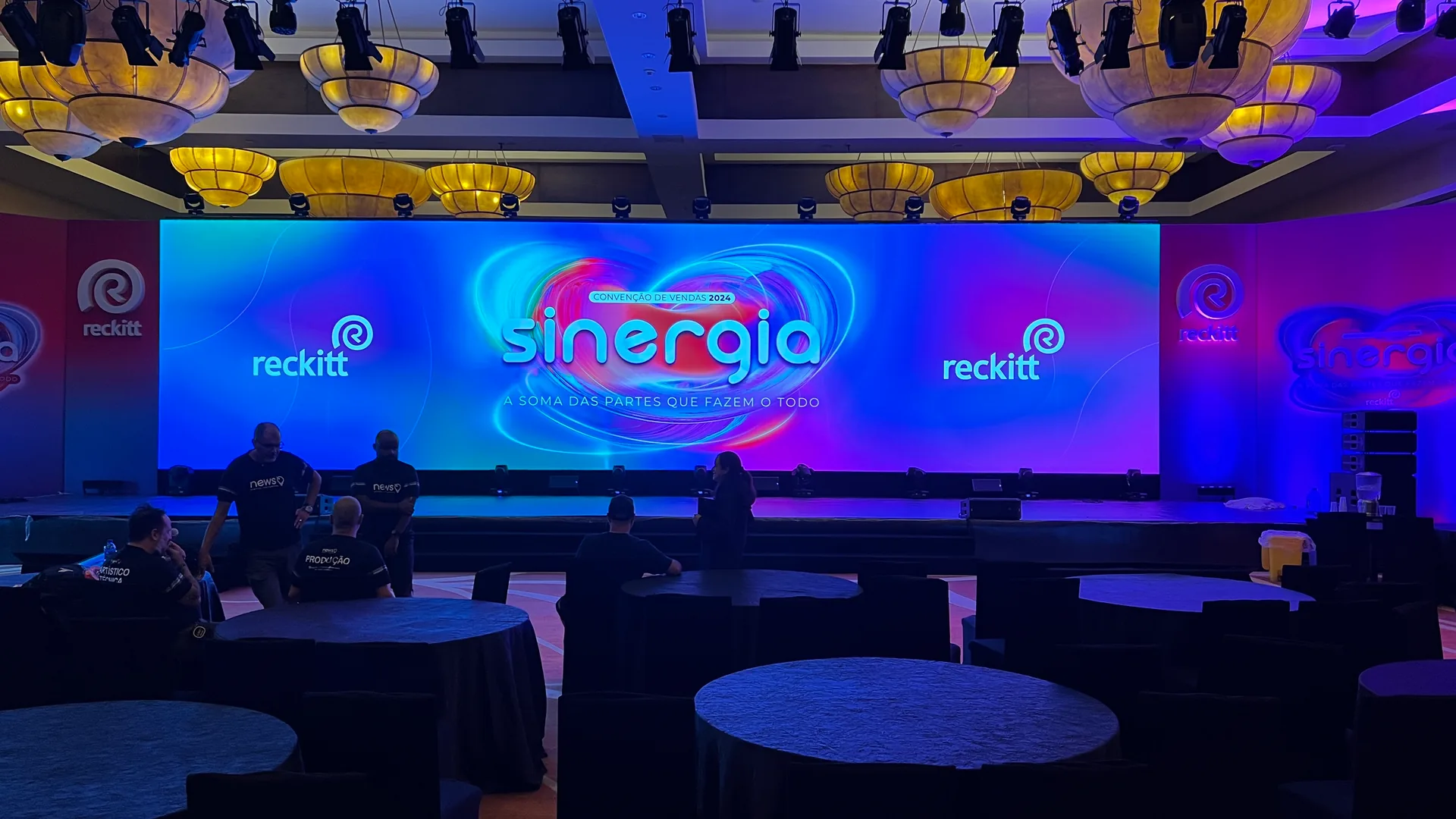

How to plan a brand event through the experience
Planning a brand event begins before booking a venue. Start with a specific reason to bring people together: what they will be able to understand, practice or discuss there that an isolated piece would not resolve equally well. That answer guides the format, duration, team and closing.
Without it, production can be impeccable and still leave the visitor without a clear action.
An event is a complete sequence, rather than just the moment the stage lights up. There is a prior invitation, an arrival, a journey, an interaction and optional continuity. Each stage needs enough information for the person to decide to participate.
If you are still choosing the format, review experiential marketing tactics before turning an idea into a production program.
How to plan a brand event for a specific audience
A brand event needs a reason to bring people together. Write down what they will be able to learn, try or discuss and why it is worth doing live. Presenting a product, exchanging experiences and facilitating questions are different purposes; each calls for a different agenda.
Also describe whom you invite and what they need to participate. That definition will guide the language, duration and invitation. Avoid promising an experience the program cannot offer.
Write a goal that can be observed without exaggeration: “for the audience to compare two uses,” “to ask questions about a solution” or “to be able to rehearse a process.” Then define whom the encounter serves and what knowledge they bring. An event open to current customers does not need the same explanation as an introductory conversation.
That difference changes the script and prevents the same activity from trying to answer everyone at once.
Also write down what the event does not intend to do. A demonstration can show a function without closing a sale; a conference can open a conversation without demonstrating future adoption. Sharing these limits with the team reduces improvised promises.
The brief should include difficult questions, verified answers and a mechanism for recording what remains pending, without attributing intentions the visitor did not express.
Turn the idea into a feasible scope
Before choosing a venue, connect the format with the budget. Consider activities, production needs, audience support and subsequent work. Distinguish essential elements from those that could be simplified if conditions change.
The location should serve the experience. Review how people arrive, how they move around and where conversations will happen. An attractive space does not, on its own, resolve an agenda needing demonstrations, small groups or moments for listening.
Budget for the complete experience: content, venue, accessibility, staff, installation, tests, signage, registration and dismantling. Make assumptions explicit, especially capacity, duration and the number of activities. This lets you compare a minimal version that preserves purpose with a larger production, without confusing reductions with loss of meaning.
The decision to invest in a screen or scenery should respond to its role in the journey.
Visit the place as though you were an attendee arriving for the first time. Observe transportation, entry, wayfinding, lighting, sound, restrooms, breaks and alternative routes. The W3C WAI checklist for accessible events offers specific planning questions; it does not replace reviewing the space or participants' actual needs.
If the activity depends on a single device or an audible instruction, plan another way to participate.
- Which activity is essential to meeting the goal?
- What does that activity need to work in the chosen space?
- Who resolves each production and assistance decision?
- What alternative would sustain the activity if a resource fails?
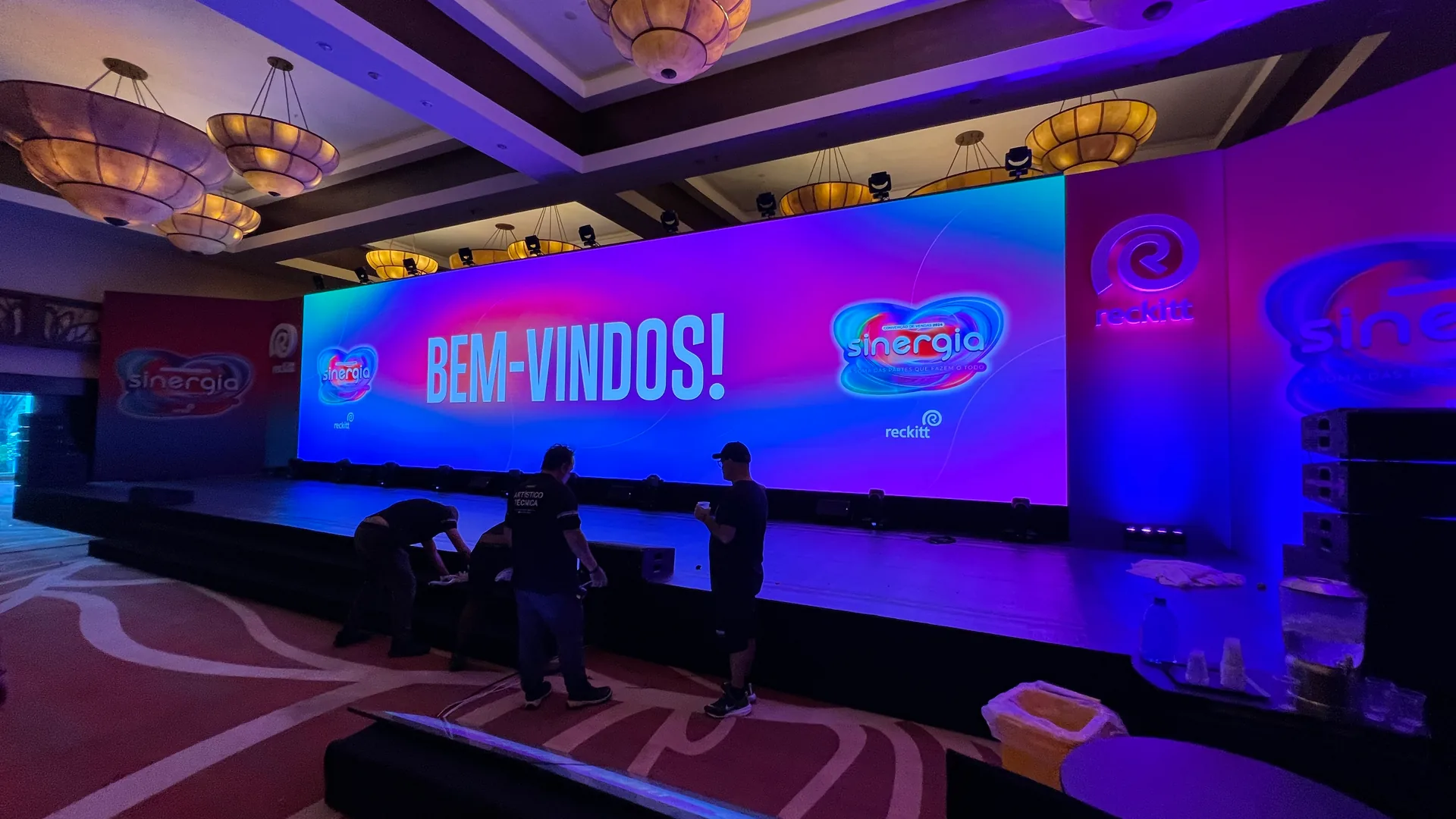
The welcome is also part of the journey
Design an agenda that allows participation
Alternate presentation moments with real opportunities to contribute. Questions, workshops or conversations between attendees should have a purpose and a place in the agenda, rather than depend on time being left over.
Go through the program from the perspective of someone arriving for the first time. Check whether they understand where to go, when they can ask questions and what will happen afterward. Rehearse changes between activities with the people responsible to detect ambiguous instructions or unresolved dependencies.
The agenda should reserve time to act, ask and change activities. Mark the moment each participant will know what to do and who will respond if a question arises. A question period at the end does not make up for a demonstration that does not allow touching, comparing or asking for clarification.
When the group is large, consider stations or turns to avoid turning participation into a line without content.
Rehearse transitions with the team, including minutes that seem invisible in the program. Who welcomes a person arriving late? What happens if a screen fails? How is the conversation maintained if an activity takes longer than expected? A small test uncovers dependencies the schedule does not show.
The goal is not to eliminate all uncertainty, but to give those operating the encounter clear criteria for deciding without losing purpose.
Prepare communication and content
The invitation should explain the reason for the encounter, whom it is for and what the audience can expect. Maintain that promise in signage, contributions and subsequent messages. Coherence makes it easier to evaluate whether the experience fulfilled what was announced.
If you want to document the event, decide which moments add value and how photography or recording conditions will be communicated. Do not turn every conversation into a content opportunity or assume attending means wanting to appear.
The invitation should promise only what the event will offer. Explain the topic, schedule, place, access requirements and participation type; avoid phrases replacing useful information with adjectives. The same promise should appear on the page, confirmation email and signage.
If part of the program changes, update those points so no one arrives expecting an activity that no longer exists.
Documenting does not mean recording everything. Define which scenes show the process, who may appear and how image conditions will be communicated. Offer ways to participate without appearing in promotional content where appropriate. Event registration is not consent to receive campaigns or to use a portrait for another purpose.
Separate forms, purposes and the person's decisions; preserve an assistance alternative even if they do not want follow-up.
Plan the closing before opening the doors
Define what information would be useful to share afterward and with whom continuing a conversation is appropriate. A summary of learning, a pending answer or mentioned material can make more sense than a generic message.
At the close, compare what happened with the goal and review comments from the team and audience. Record a specific improvement for the next encounter. Attendance describes the invitation's response; understanding what attendees could do also requires looking at the experience.
Prepare the closing while you are still designing the opening. If someone asked a question requiring research, define who will respond and in what context. If reading was offered, indicate where to find it without requiring data to be provided again. A generic thank-you may be enough for someone who only wanted to attend; not everyone needs to enter a commercial pipeline.
Continuity should respect the accepted purpose and the possibility of revoking it.
After the event, compare what happened with the initial promise. Distinguish attendance, participation, observed understanding and explicit requests. Ask the team which part generated the most questions and review whether some people could not complete the journey.
The guide to measuring brand experiences helps turn those signals into an improvement decision, without attributing sales or loyalty through mere temporal proximity.
From purpose to learning

An operational closing that allows repetition and improvement
Bring together intention, owners, participation route, materials, permissions, fallback plan and review criteria in a sheet. Attach the exact program version rehearsed; otherwise, a last-minute change can make observations incomparable.
The sheet should distinguish internal information, data the audience will see and conditions agreed with suppliers. That separation helps both operation and budget review. Also consult the guide to measuring brand experiences.
At the end, record a priority improvement and a question that remains open. Perhaps the invitation needs rewriting, a wait needs shortening or an access alternative needs offering. Publishing photographs does not replace that conversation. A useful brand event leaves evidence of what people could do, rather than an automatic claim of commercial impact.
If the next version changes, preserve the previous one to know what was learned and what remains a hypothesis.
Readings classified by scope
W3C WAI, Making Events Accessible: official checklist for planning in-person, virtual or hybrid meetings, conferences and presentations. It is a design reference, rather than certification of this event.
American Marketing Association, The Customer’s Story is the New Narrative in Experiential Marketing (2016): conceptual reference for building a journey centered on the visitor's perspective.
The AMA reading contributes a conceptual perspective; W3C WAI provides technical accessibility guidance. Neither documents GX results or replaces evidence of a specific case.
Frequently asked questions
What is the first step in planning a brand event?
Define what a person will be able to do or understand thanks to the encounter and why that requires a live format. Then decide audience, scope and resources.
How do I keep the budget from becoming just a production list?
Relate each item to a journey function. Separate essentials from what could be simplified without losing purpose.
Does event registration authorize subsequent communications?
Not automatically. Commercial follow-up needs an explicit purpose and a decision by the person separate from attendance.
What should I review when it ends?
Compare the goal with the observed experience: which activities were completed, which barriers arose, which questions remained open and what the specific improvement will be.