

Experiential marketing tactics: a choice with purpose
Experiential marketing tactics are chosen for what they help a person understand or do. A stage, a screen or a scent can attract attention, but that is not enough to design a useful interaction. Before choosing a format, describe the question the audience brings and the action that would let them resolve it.
That decision then organizes the space, team, content and way of listening.
There is no universally superior tactic. A workshop may be relevant for practice; a story can help people understand a decision; a brief demonstration may be enough to compare two options. This article's editorial test is simple: each resource should serve a function and leave the person free to participate or leave.
For a deeper look at evaluating what happened, consult the guide to measuring brand experiences.
Events and experiential marketing tactics: shared action
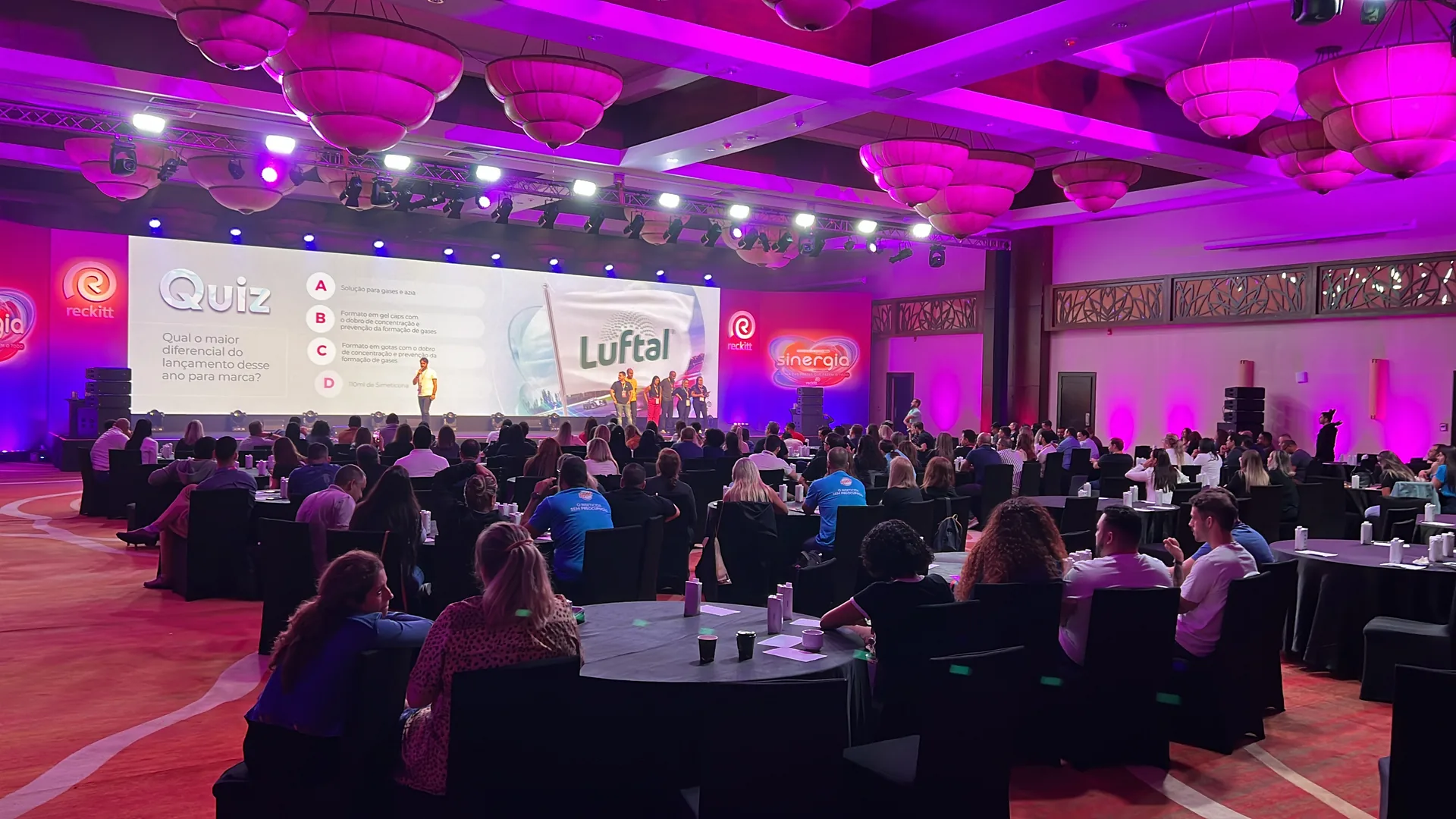
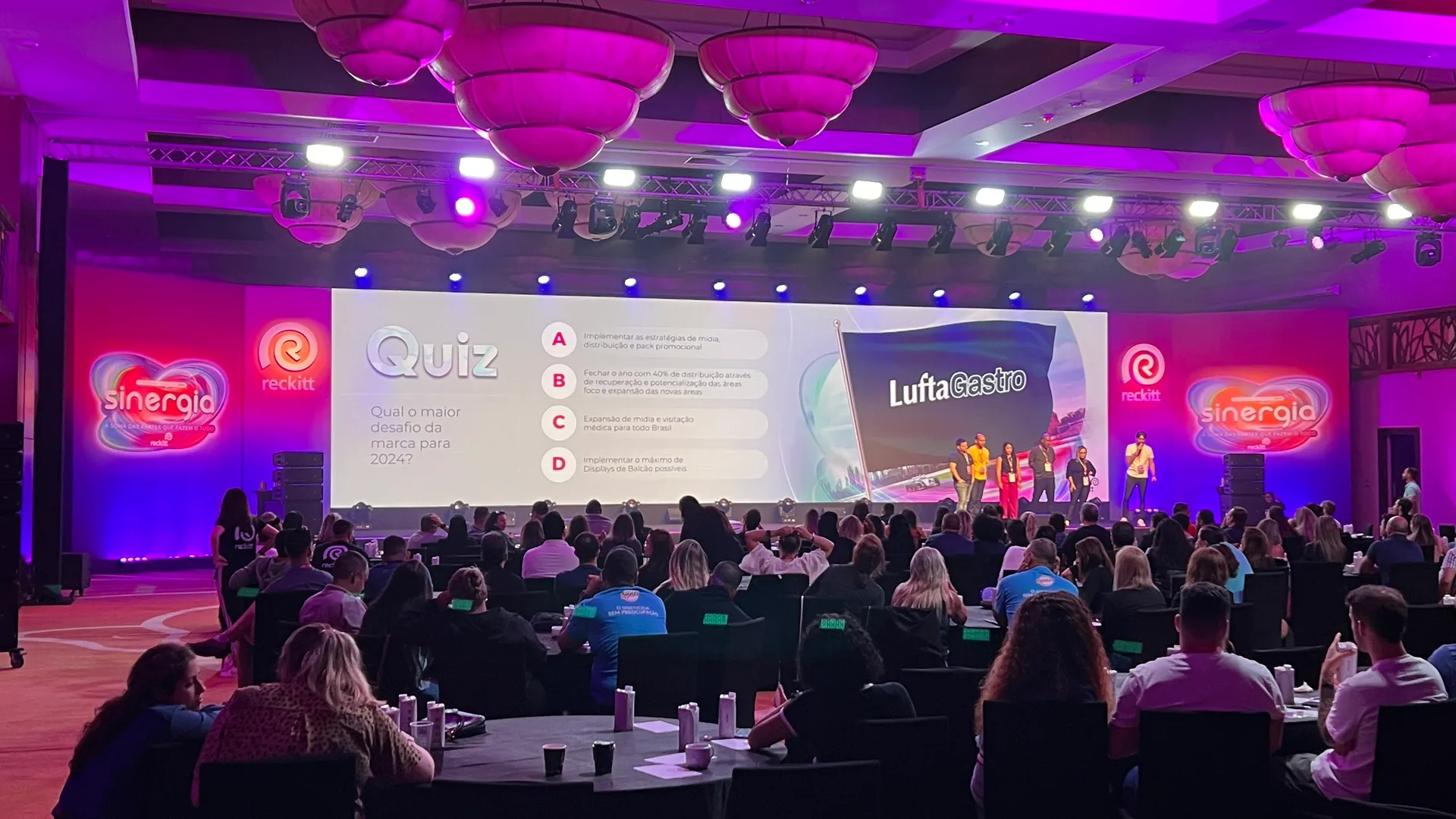
An event can bring demonstrations, conversations and activities together around an offer. The important decision is to start with what the audience will do, rather than with the stage. A workshop requires time to practice; a presentation needs space for questions; a trial requires support.
Choose this tactic when sharing a moment adds value. Before proceeding, ask whether the activity really needs to bring people together and what would be lost by turning it into individual communication.
One way to design the encounter is to write a sequence of three moments first: welcome, activity and closing. The welcome explains what the person can do and how long it will take. The activity shows something verifiable about the offer. The closing answers questions and offers a next step that does not depend on providing personal data.
If any of those moments cannot be explained clearly, design work is still needed before commissioning production.
Accessibility also changes specific event decisions. An oral instruction needs a visual alternative; a visual presentation needs description; movement and break times should consider diverse needs. The W3C WAI checklist for accessible events is a useful reference for reviewing these points.
It does not, on its own, certify that a particular activity is accessible: it must be tested with the actual people and place.
Immersive experiences: showing what is difficult to explain
Augmented or virtual reality appears as an alternative for exploring products or situations through a representation. Its use should address a specific difficulty in understanding, rather than an obligation to incorporate technology.
Ask what the experience lets people observe or rehearse and what it does not represent faithfully. Explain those limitations. Also check how someone who does not want to use the device will participate: an alternative explanation or demonstration should preserve the main idea.
Before choosing an immersive experience, draw the journey without the device. Which idea should become clear? What action could be rehearsed in a physical demonstration, a model or a conversation? Then compare whether the digital representation offers new understanding or merely adds a visual layer.
This comparison prevents the medium from becoming the goal and lets you reserve resources for the part that truly helps the visitor.
A simulation should never be confused with the actual product or service. Indicate what has been simplified, what needs support and how to leave the experience. Test instructions, duration, potential motion sickness and accessibility with a small group before expanding use.
If there is no reasonable alternative for someone who cannot use the equipment, the design is not yet ready for an open invitation.
Participation needs a clear action
Personalization: offering a relevant choice
Personalizing an experience can begin with letting the visitor choose the topic, use or question that interests them. That explicit choice helps guide the conversation without assuming you know their preferences beforehand.
Avoid requesting information unnecessary to address that choice. If someone wants to understand a function, respond to that need first. Evaluate the tactic by asking whether the variants actually change the experience's usefulness or just the greeting.
Useful personalization does not require knowing the arriving person's identity beforehand. It can involve choosing between two questions, selecting a need or asking to see a different case. Make what changes with each choice visible so it does not seem like a disguised form.
The conversation should be able to continue even when someone prefers not to identify themselves or receive subsequent communications.
If information is requested for follow-up, separate that purpose from participation itself. Explain what is collected, why, through which channel and how permission can be withdrawn. Answering a survey does not automatically authorize a commercial campaign.
It is useful to design the experience so its main value is delivered first and any continuation is the person's explicit decision.
Stories: connecting participation with an idea
Storytelling organizes a narrative the audience can follow. In an experience, the story should also appear in the actions: what problem is posed, what decision the person makes and what they discover by participating.
There is no need to build a complex story. Define a central idea and review each activity against it. If a game or scene could belong to any brand without changing anything, it may still lack a clear relationship with the offer.
A story works better when the audience can find its own place in it. Present a recognizable problem, allow a small action and show what changes as a result of it. Then ask whether the relationship with the brand is clearer or whether the scenery took all the attention.
The story need not invent emotions or promise transformation: it needs an understandable, honest sequence.
The American Marketing Association describes the value of seeing the story from the customer's perspective, rather than solely from the brand's narrative. That text is a conceptual reference for organizing the story, rather than evidence of GX results.
If the team can remember the central idea at the end of the encounter and explain what the visitor did, the story has a stronger foundation for review and improvement.
Sensory stimuli: select, rather than accumulate
Sound, texture, image or scent can be part of the experience. Select them for their relationship to the product and environment. Ask whether they help people understand something or compete with the conversation.
Before combining tactics, check that each has a different function. A simple, understandable experience may be a better choice than several activities that interrupt each other.
Sensory stimuli should be selectable and proportionate. Volume, lighting, scent or texture can facilitate understanding of a product, but can also distract or prevent someone from participating. Define each stimulus's function, what alternative there will be and who can adjust it during the activity.
In a shared environment, a person's comfort should not depend on enduring an intensity they did not choose.
Rehearse the complete experience, rather than each element separately. Check whether the music allows questions to be heard, whether the light makes signs legible and whether the journey allows people to stop. Record what question appears frequently and which part forces the team to improvise.
These observations help simplify before adding another screen, another game or a new layer of production.
- Define what the visitor will be able to do thanks to the tactic.
- Review space, time and support needs.
- Offer alternatives when an interaction is uncomfortable.
- Observe which part generates questions and which needs simplifying.
How to compare options before producing
To compare tactics, use the same brief: audience need, expected action, access conditions, resources and learning signal. If an option requires too much explanation time, look for a simpler version. If an activity attracts attention but does not make the offer understandable, do not declare it successful based on attendance alone.
The guide to planning a brand event explores the operating sequence when the chosen tactic requires bringing people together.
The subsequent review should separate facts from interpretations. “Twenty people completed the trial” describes a count, provided completion is defined; “they loved it” requires different evidence. Record the observation's limits and a decision for the next version.
A tactic's function is to facilitate an interaction the audience can understand, choose and evaluate, rather than look innovative in a photograph.
Five filters for choosing a tactic

Readings classified by scope
W3C WAI, Making Events Accessible: checklist for in-person, remote and hybrid encounters; a planning reference, rather than certification of a GX execution.
American Marketing Association, The Customer’s Story is the New Narrative in Experiential Marketing (2016): conceptual reading on narrative from the person's perspective.
The AMA reading contributes a conceptual perspective; W3C WAI provides technical accessibility guidance. Neither documents GX results or replaces evidence of a specific case.
Frequently asked questions
How do I choose between different experiential marketing tactics?
Compare what the person will be able to do or understand with each option, access conditions and the resource needed. Choose the one that best addresses a defined need, rather than the most striking one.
Do I need immersive technology to create an experience?
No. A demonstration, a guided conversation or a simple trial can be more useful. Use technology if it provides understanding that a more direct format cannot achieve.
Does participation automatically count as a prospect?
No. Participating describes an action; commercial follow-up requires a clear purpose and an explicit choice by the person for that contact.
What should I review before repeating the activation?
Compare the goal with observed actions, questions, barriers and audience decisions. Document limits and a specific improvement before adding resources.