

Microcampaigns: a small scope, a specific question
A microcampaign limits the work to learn something specific. In this guide, we use the term for a marketing action with a defined audience, proposition, duration and resources. It does not represent a universal formula or mean that every large campaign should be divided into ever smaller ads.
The starting point is a business uncertainty. Perhaps an audience does not understand the service, an invitation receives the wrong questions or a demonstration needs a clearer closing. Describe that difficulty before choosing a platform, format or investment; each problem may need a different intervention.
A limited budget does not turn an action into an experiment. To learn, you need to know what you changed and how you will observe its effect. A short post without a record may be useful communication, but is not enough to compare alternatives or justify that a proposition will work when it reaches more people.
Scope should include what happens after the ad. If you invite people to request information, prepare an understandable page and a relevant response. Increasing visits to an incomplete experience can move the problem elsewhere. Review the complete journey even if the test works on just one point.
Choose audience and proposition without fragmenting the strategy
A useful audience shares a recognizable need. Bringing together people of similar ages is not enough. The guide to audiences in marketing helps formulate whom you want to understand and why. You can start with people seeking a specific solution, without turning every personal difference into a new segment.
The proposition should answer one main question. For example, a demonstration could explain how a service works, while a guide helps compare options. Avoid asking the same ad to educate, close a sale and collect all the prospect's data at the same time.
The message changes when the person's stage changes. Someone discovering a category needs context; someone comparing suppliers needs criteria and scope. Those situations guide content versions, but remain hypotheses you must check. Do not infer purchase intent solely from a visit.
Several microcampaigns can share the same promise. Keep the offering, tone and conditions consistent even when you adjust the explanation. Using several channels does not by itself constitute an omnichannel experience: that requires continuity between touchpoints and a real ability to sustain it.
Limit an action to observe it better
Prepare a test that allows what happened to be interpreted
The hypothesis should describe a change and an observation. One possible formulation would be: explaining scope before the form could reduce inquiries outside the service. Define how you will identify those inquiries and over what period. It is a test proposal, not a result you can announce in advance.
Choose a comparison that makes sense for your question. You can compare versions under comparable conditions or document an initial exploration without asserting causality. If there is no suitable comparison group, record that limitation. A change observed after publication may have explanations unrelated to the piece.
Simultaneous changes make it difficult to know what produced the difference. The Google Ads documentation on custom experiments explains comparison between a base campaign and a variant and warns about modifying campaigns during the test. It is a technical example from a provider, not a universal validation of microcampaigns.
Duration is decided before looking at who appears to be winning. Consider the response cycle and available volume. An early observation may justify correcting an error, but not declaring superiority. If traffic is insufficient, preserve the learning as exploratory and avoid presenting it as statistical certainty.
Design the piece and its next action
The piece should deliver value before asking for commitment. Explain what the person will find, why it may help and what will happen if they continue. A clear call to action can invite people to view a guide, ask about scope or discuss a need, without disguising a commercial inquiry.
The content should match the ad's promise. If you offer a comparison, the landing page should show it without forcing people to search through unrelated information. Our content marketing guide develops how to connect questions, formats and decisions so the visit has a relevant continuation.
Images are also part of what you are testing. Choose a photograph or visual explanation related to the message and preserve its provenance. Avoid simultaneously replacing image, headline and offering if you want to isolate a change; a completely new composition answers a different evaluation question.
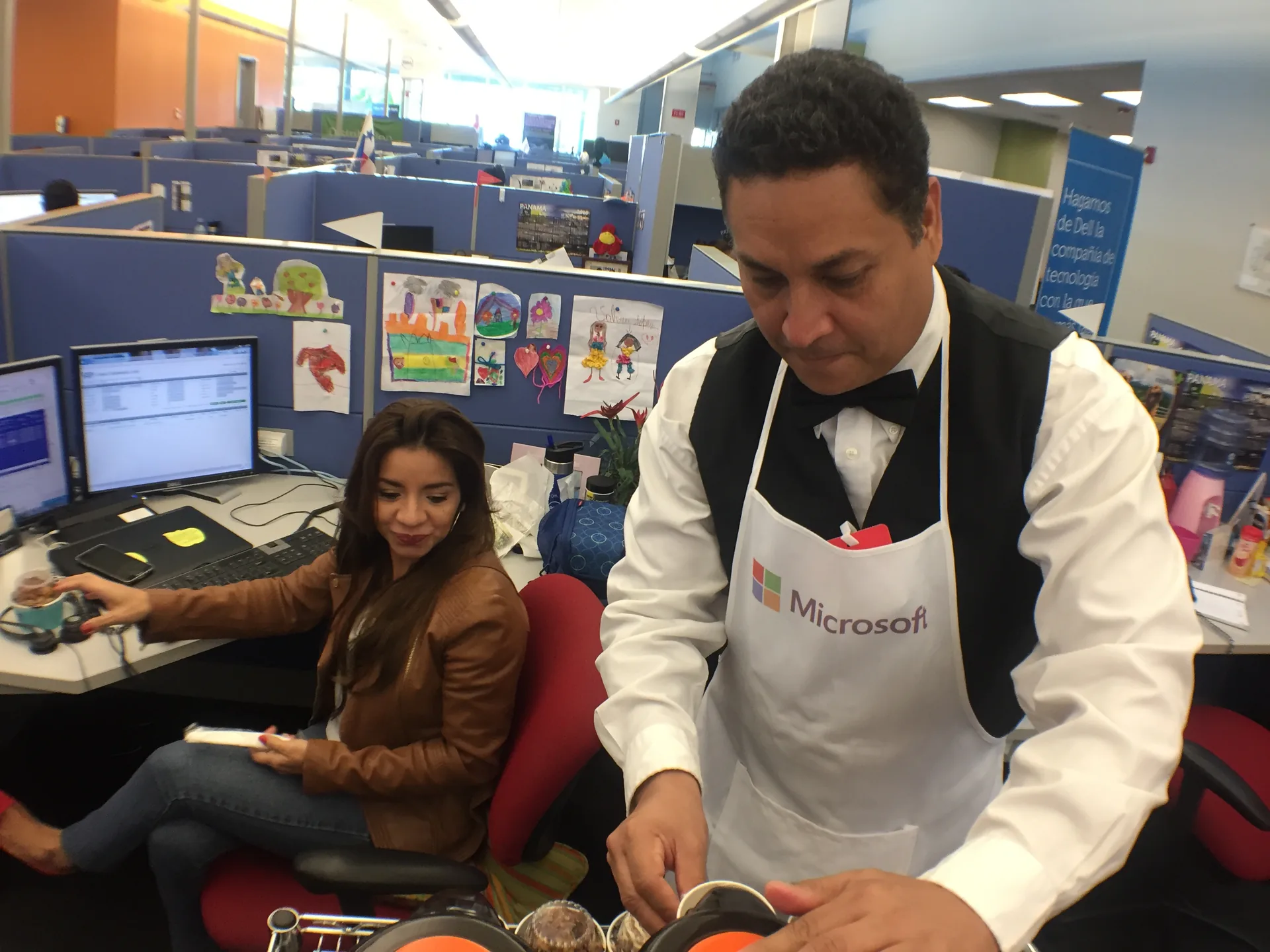
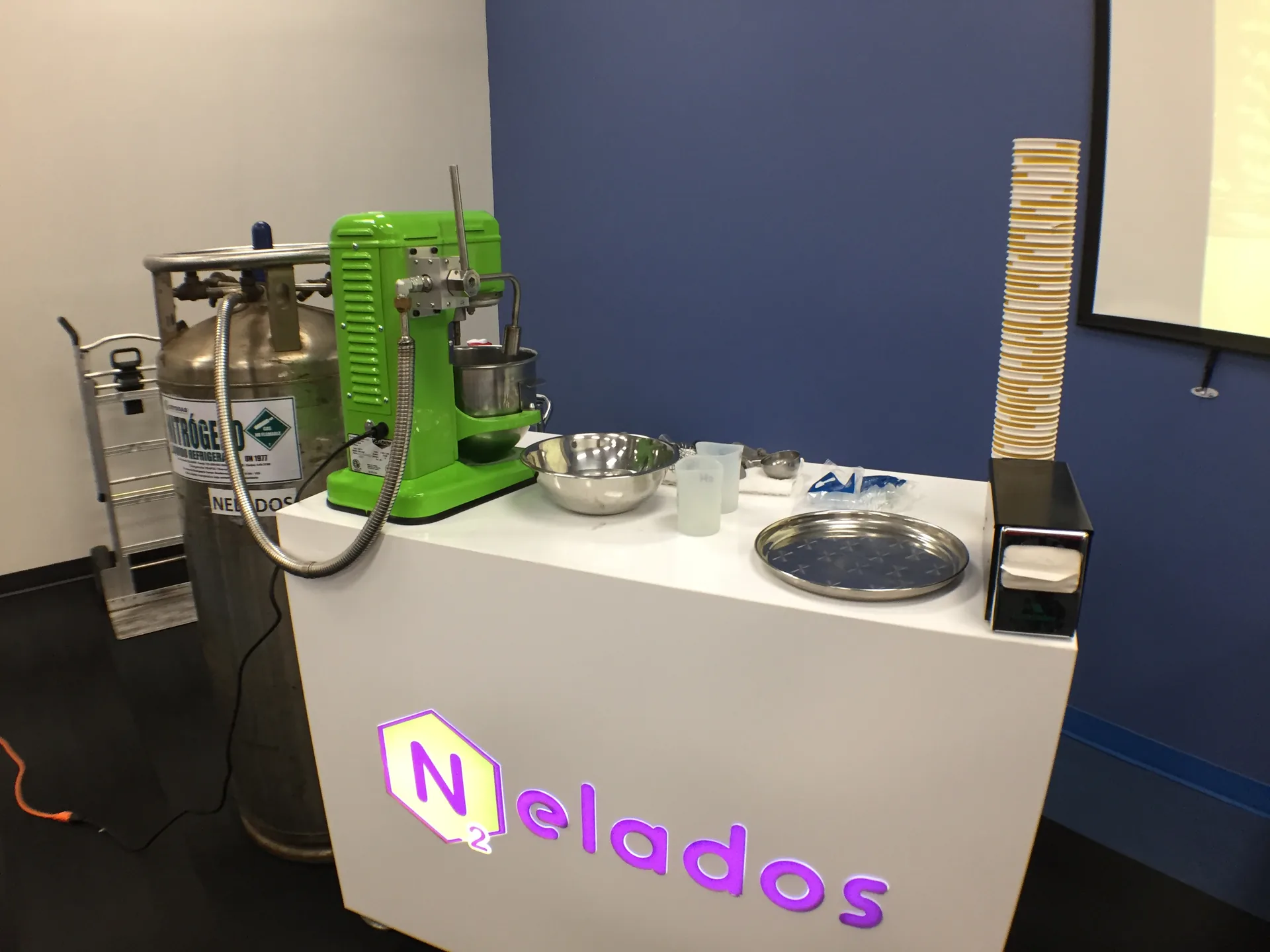
Human service needs instructions as clear as the piece. In an in-person demonstration, the team should know what to explain, what to ask and when to let people continue. The live marketing guide allows that interaction to be reviewed without assuming that adding screens or forms automatically improves the experience.
From objective to useful review

Measure cost, response and quality with different units
Media spending is only part of the effort. Also record production, service time and tools where applicable. A campaign may seem cheap per click and require a lot of subsequent work. Decide what costs to include before comparing alternatives so you do not favor one with incomplete accounting.
Visits and inquiries answer different questions. A visit shows access to content; an inquiry adds a specific action. The guide to measuring brand experiences helps separate those signals. Also report the period and calculation base when using progress percentages.
Quality requires criteria that can be reviewed. Instead of calling every form a good lead, define what need falls within scope, what information allows it to be addressed and what permission exists to respond. Do not confuse that operational classification with the personal worth of whoever made the inquiry.
A commercial result needs its own evidence. If you record contracts, document how they relate to inquiries and what other contacts were involved. Do not attribute all sales in the period to a microcampaign because of a coincidence in timing. Nor should you replace revenue or margin with an estimate of clicks.
Decide when to adjust, repeat or expand
A test needs exit criteria as well as objectives. Establish which error requires stopping it, which signal calls for reviewing the message and what evidence would justify expanding scope. This prevents maintaining actions out of habit or changing direction at every small daily variation.
An unexpected response may reveal a useful problem. If questions about price arrive when you wanted to explain how something works, review what the ad promises and what the page shows first. Talk with those handling inquiries before concluding that the audience is wrong or that you need more budget.
Expanding resources changes the campaign's conditions. A larger audience, new locations or an overloaded team may change the response. Keep expansion as a decision that needs follow-up. What was observed within a reduced scope does not guarantee the same cost or quality as it grows.
Stopping an action can also be a good decision. If the offering does not address the identified need, correct the service or its scope first. Do not prolong the test to look for a favorable data point. Preserve what you learned and what information is still missing to avoid repeating the same uncertainty.
Preserve learning that helps the next campaign
A brief record allows learning to be reused. Save the question, audience, versions of the piece, dates, budget and observations. Add operational changes that occurred during execution. Someone else should be able to understand what was tested without depending on an old conversation or an isolated screenshot.
Findings should be distinguished from recommendations. Write what was observed first, then possible explanations and finally what you propose to do. This separation prevents turning a reasonable interpretation into a confirmed fact. It also helps the next microcampaign answer an outstanding question instead of starting from scratch.
Reuse works better with context. A headline may inspire another piece, but does not address every need. Preserve what evidence supports it and what requires adaptation; a library of learning is not a collection of infallible recipes.
Documentation and editorial judgment
Google Ads: create a custom experiment. Technical example of comparison between a base campaign and a variant and of the difficulties caused by changes during a test. It does not demonstrate profitability or define a general standard for microcampaigns.
Frequently asked questions
Does a microcampaign always have to be digital?
No. It can be digital, in-person or combined. What defines it here is a specific question, an audience and a manageable scope. The channel should allow the proposition to be delivered and the relevant response to be observed.
How long should a microcampaign last?
It depends on the response cycle, available volume and the question. Define the period before comparing results. If sufficient evidence is missing, acknowledge the exploratory nature rather than setting a universal duration.
Can you start with a small budget?
Yes, as long as the scope is viable and includes production and service. A small budget does not eliminate the cost of work or guarantee a conclusive comparison. Choose an uncertainty you can study with real resources.
When should investment be increased?
When the evidence is relevant to the objective and you can handle the additional volume. Review costs, quality and measurement limits. Expand with follow-up: the test result does not ensure everything will scale in the same way.
From this idea to your next project
Tell us what you want to achieve. The guide will help organize your inquiry; you can review and correct it before anything is sent.
Prepare your project with GX