


Advertising in Panama: start with the buying context
A campaign's location should address a need. Before choosing a medium, define what you offer, to whom and what action it would make sense to facilitate. A business serving a specific area does not face the same brief as a company seeking conversations with corporate buyers across several markets.
The economic context does not, on its own, describe your audience. The Panama market guide from the International Trade Administration highlights the importance of services and logistics activity. It serves as a general reference, rather than proof that a person will see an advertisement or be interested in an offer.
The same place can bring together very different situations. Someone may be working, shopping, visiting or simply passing through. Ask what attention they can give and what they need at that moment. The guide to audiences in marketing helps move from a broad description to questions that can guide a specific campaign.
The first hypothesis must be open to review. If you assume a channel reaches the right audience, ask for evidence of the context, format and available measurement. Do not confuse a place's reputation with each visitor's behavior. The plan improves when it shows what is known and what still needs to be checked.
Digital advertising in Panama: intent, content and destination
A digital advertisement needs a page that continues the conversation. The message may spark interest, but people should find consistent information when they click. Check that the offer, language, conditions and next step align. A campaign is incomplete when the artwork is delivered if the destination remains confusing.
Digital channels serve different functions. A search can express a specific question; a post can introduce something the person was not looking for. Define what you expect from each contact without treating every click as purchase intent. The format should respond to the moment, rather than just the available space.
Organic content and media buying are different decisions. They can complement each other, but require different resources and forms of evaluation. Our guide to content marketing explains how to organize useful questions and pieces of content. An article does not become paid advertising by including an invitation to talk.
Targeting requires reviewing what the channel actually offers. Confirm which criteria can be used, under what restrictions and for what purpose. Do not present an estimated category as personal knowledge of the user. Access to a tool does not grant unlimited permission to collect data or initiate follow-ups either.
Choosing the format according to the encounter
Outdoor advertising, events and physical touchpoints
An outdoor advertising placement is evaluated in its actual context. Review location, orientation, visibility, available reading time and lighting conditions. The number of people passing through an area does not automatically equal the number who saw or remembered a piece. Ask for each estimate to explain what it represents.
The message should adapt to the moment of exposure. A piece seen in passing needs a different hierarchy from a screen facing someone who is waiting. Do not transfer an entire post to a billboard without checking legibility. Define one main idea and a feasible action for that context.
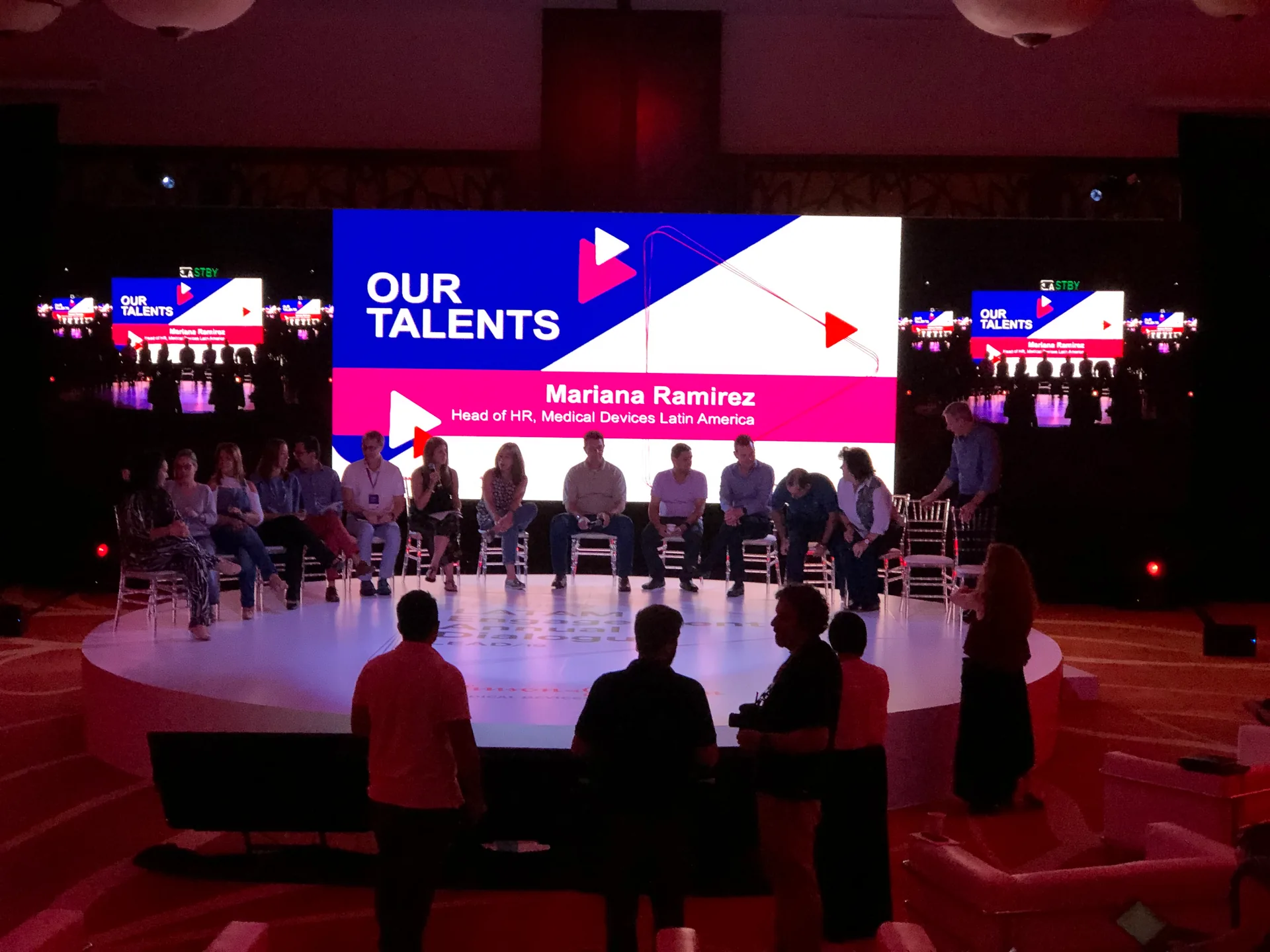
An activation lets you design a specific form of participation. The guide to live marketing proposes reviewing what the person understands, how they participate and how they can leave. That approach helps connect space, team and content. Simply adding an activity is not enough if no one knows what it contributes to the experience.
Travel environments need a specific evaluation. Airports, terminals and hotels bring people together at different moments. If you are considering a solution linked to Tocumen, request its current scope, formats, conditions and measurement method. Do not reuse rates or capabilities from a historical presentation as though they were the current offer.
Compare without declaring a winner

How to build a comparable budget
The budget starts with the scope, rather than a universal figure. Define duration, formats, production, distribution and follow-up. Request proposals that separate these components where appropriate. A small investment may be enough for a limited pilot, but size alone cannot predict performance or quality.
The quote should state what it includes and what could change. Review adaptations, revisions, usage rights, installation and maintenance according to the format. Also ask what information your company must provide. An amount without these conditions forces you to compare proposals that may address different briefs.
Cost per click does not summarize an entire campaign. It depends on the buying context and how the activity is configured and measured. Do not use old ranges from another sector as a budget promise. Ask for recent, comparable data when it exists, and keep spending, inquiries and commercial results separate.
Internal resources are also part of the effort. Someone must answer inquiries, update information and review deliverables. If the campaign generates questions you cannot handle, more distribution may increase that friction. Include response capacity in the plan before deciding how much to allocate to the medium.
Producing a coherent, understandable campaign
A creative idea should express a relevant difference. Define what the person will be able to recognize and why it would matter to them. Avoid filling a piece with every attribute of the business. When the offer requires explanation, use a clear opening message and a destination where it can be expanded without losing coherence.
Local adaptation needs a review of language and context. Changing the country's name in a campaign is not enough. Check expressions, visual references and conditions of use with people who know the situation. Adapting does not mean assuming that the entire population shares a preference or the same way of deciding.
Your own photographs can provide a recognizable perspective. Select them for their relationship to the message and preserve their provenance. An event image may illustrate a context, but does not demonstrate results from a different campaign. The GX case studies let you review examples alongside their available scope.
The call to action should promise the actual next step. If you invite people to learn about a service, lead them to its information; if you invite them to talk, explain how they will be assisted. Do not make the person search for the offer again. Check the journey on a phone before distributing the campaign.
Measure to decide what is worth keeping
The evaluation needs to be agreed on before starting. Define what you will observe, where it is recorded and which decision it will help inform. The guide to measuring brand experiences distinguishes signals from results. Maintaining that difference prevents a good exposure figure from being presented as a sale that has not been verified.
A comparison requires sufficiently similar periods and conditions. If the offer, audience and channel change at the same time, acknowledge the limits of the analysis. A pilot can inform a decision without demonstrating definitive causality. Document its scope so that limited learning does not become a guarantee applicable to any campaign.
The closing review should propose a specific improvement. It may involve clarifying a frequently asked question, adjusting a destination or reviewing how inquiries are handled. Prioritize what has supporting evidence and an owner. Advertising in Panama does not need to accumulate channels to look complete: it needs a relevant journey that the business can sustain and learn to improve.
Documentation and editorial judgment
International Trade Administration: Panama overview. Reference for economic context, published March 27, 2026 and accessed September 26. It does not provide advertising rates or substantiate exposure or results for a campaign.
Frequently asked questions
How much should a company invest in advertising in Panama?
It depends on scope, duration, production, media and response capacity. Request a current quote with comparable components. Historical ranges from another campaign or industry are not enough to calculate your budget.
Is it better to choose digital or outdoor advertising?
It depends on the audience, context and action you seek to facilitate. Define each medium's function and how you will evaluate its contribution. A combination only makes sense if the pieces and destination remain coherent.
Does a high-traffic area guarantee results?
No. Traffic does not equal attention, recall or purchase. Review visibility, format, moment and measurement method, and distinguish an estimate for the placement from an observed result of your campaign.
What do I need before requesting a proposal from an agency?
A description of the offer, audience, goal, timeframe, resources and known constraints. Add your questions. The agency can help define the scope, but needs context to propose something relevant and comparable.
From this idea to your next project
Tell us what you want to achieve. The guide will help you organize your inquiry; you can review and correct it before anything is sent.
Prepare your project with GX