

What incentive experiences recognize
Incentive experiences need to explain what is being recognized. They can form part of a program that rewards an achievement or values a contribution. They should not begin solely with choosing an attractive hotel. Purpose helps decide who participates, what is offered and how the experience relates to the organization.
An invitation to clients is not automatically a performance reward. It may seek exchange, training or a commercial conversation. Distinguishing those purposes avoids communicating rules that do not apply to the program. It also allows people to understand why they were invited and what is expected of their participation during the gathering.
The sector's definition helps organize that distinction. SITE presents incentive travel as a recognition tool linked to clear objectives. We use that reference to define the concept, not to claim that every trip motivates equally or always produces a demonstrable economic return.
The brief should describe people, not just a VIP category. Consider the group's interests, language, availability and needs. The guide to audiences helps formulate that context. Two guests with the same job title may value different experiences, and an agenda should be able to recognize some of that diversity.
The Cusco account as a starting point
GX's editorial archive records the Unisys Innovation Forum in Cusco in 2019. The account places the gathering at the JW Marriott El Convento and describes plenary sessions, production work and destination activities. It is a planning precedent, not a current measurement of satisfaction or sales.
The experience brought together work sessions and encounters outside the meeting room. The historical text mentions a visit to Machu Picchu and a train journey. What matters for this guide is considering how those moments connect with the group's conversation, without copying that itinerary as a universal formula.
Production needs to connect pieces visitors perceive as one journey. Stage design, audiovisuals, service and documentation appear in the team's recovered account. People do not separate those disciplines on arrival: they notice whether they can find their way, listen, participate and continue to the next moment without confusion.
A case illustrates decisions, but does not replace review of a new assignment. You can explore the GX portfolio to discover other working contexts. Each proposal needs its own objectives, conditions and resources. We do not attribute commercial growth to the Cusco precedent without evidence connecting that result to the program.
Logistics are also part of care
Design an agenda with room for people
The agenda should alternate demanding activity, conversation and rest. Chaining together sessions, transfers and dinners can fill the program without improving its contribution. Review the day from the perspective of those experiencing it. Free time can be valuable if it allows ideas to be processed or relationships to develop without following another instruction.
Each activity needs a recognizable function. A plenary can share direction; a workshop can explore a problem; a visit can offer common context. If you cannot explain what an activity contributes, review its place in the agenda. The destination does not automatically turn every available option into a relevant experience.
Participation works better when different ways of getting involved are allowed. Offer advance information and alternatives when an activity is unsuitable for someone. Do not confuse enthusiasm with an obligation to put oneself on display. A quiet conversation can serve the gathering's purpose as much as an activity visible to the whole group.
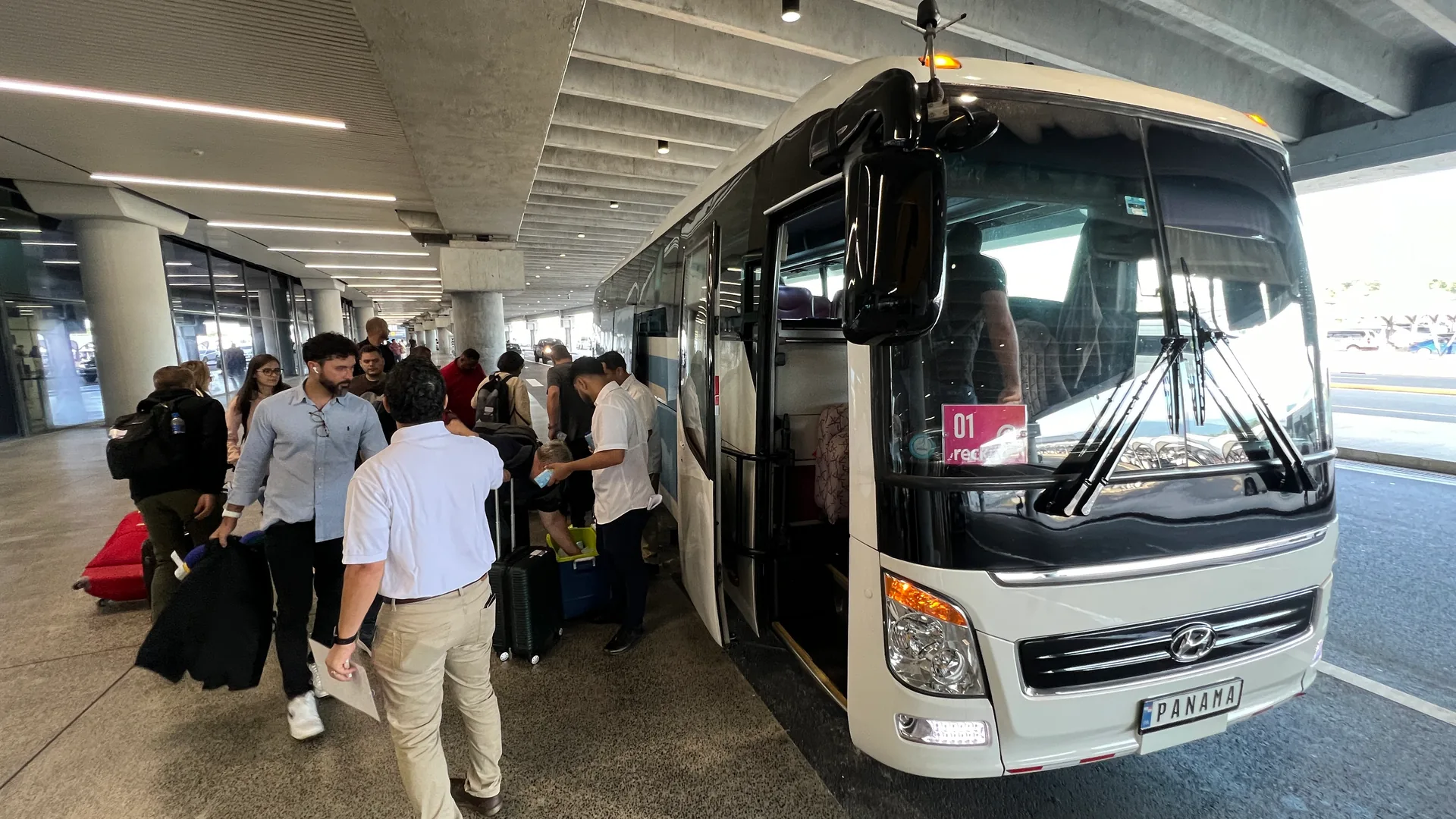
Transitions deserve as much care as the main moments. Explain where to meet, how long the transfer will take and what each person needs to bring. Our events guide develops that journey. When logistics are understandable, the group can devote more attention to content and less to figuring out how to continue.
Recognition is also communicated through details
Recognition means being specific about the contribution being valued. A generic welcome can lose the invitation's meaning. Respectfully explain what is being thanked or celebrated, without disclosing confidential information. The message should relate to the actual work or relationship, not interchangeable praise for all attendees.
Personalization does not require accumulating intimate data. You can ask about preferences needed to organize the experience and limit access to the relevant team. Avoid investigating a guest's private life to surprise them. Thoughtful service can be built through listening and operational decisions, without turning the person into a dossier.
Brand coherence is noticeable in how the group is treated. A promise of approachability loses force if no one knows how to answer a question or support a change. Review tone, timing and service with the same care as stage design. Human details are not a layer added at the end.
Physical souvenirs should connect with what was experienced. An object can expand a story or recall a lesson, but does not need to replace the experience. Ask what meaning it will have after returning and whether carrying it is practical. More volume or more logos does not necessarily equal a better gesture of recognition.
from purpose to learning

Prepare operations that can respond to changes
The operational plan should identify who decides and who provides assistance. Define responsible people for accommodation, transport, rooms and communication with participants. Ensure an incident has a clear response route. Do not force the invited person to coordinate suppliers who should be working as one team.
The destination requires updated checks before the itinerary is finalized. Confirm schedules, access, transfer times and conditions with those responsible locally. A previous program serves as a reference, not a guarantee of availability. If an activity depends on variable factors, prepare an alternative that preserves the day's purpose.
Access and participation needs are reviewed from the design stage. Consider movement, understanding of content and any assistance that may be needed. When specialized recommendations are required, turn to appropriate professionals. Do not turn a logistics sheet into a medical assessment or assume the whole group can undertake the same activities.
Documentation needs a purpose and usage criteria. Decide which moments to record and how they will be presented afterward. Not every conversation needs to become a video or every photograph to be published. Keep materials and their permissions identifiable so the program's memory does not generate new questions about exposure or context.
Evaluate the experience after returning
The first closeout checks program delivery. Review activities completed, incidents addressed and changes from the plan. That operational reading helps improve future editions. Completing the itinerary matters, but does not by itself demonstrate that a recognition, learning or relationship objective was achieved.
The participant's opinion provides one perspective, not the entire evaluation. Ask what was valuable, what made participation difficult and what they would have changed. Do not limit the questionnaire to whether they enjoyed the destination. A pleasant activity can coexist with agenda problems or content that did not serve the purpose.
Follow-up should recover commitments arising during the gathering. If questions remained or working agreements were made, define responsible people and dates. Do not use attendance as automatic permission for any subsequent communication. Relationship continuity must respect the context and preferences the person has expressed.
The next edition should incorporate a recognizable improvement. Use our guide to measuring experiences to separate signals and outcomes. Preserve what worked, correct friction and avoid repeating an itinerary merely for convenience. Incentive experiences gain value when recognition and operations evolve with the group.
Documentation and editorial judgment
SITE · What is Incentive Travel. Sector definition of incentive travel and recognition. Promotional claims about profitability or superiority over other rewards are not adopted. Accessed September 26, 2026.
Frequently asked questions
Is every client gathering an incentive trip?
No. It can be a forum, a training activity or a relationship program. Define the purpose and invitation conditions. Performance recognition and a commercial conversation should not be confused.
What should I decide before choosing the destination?
The purpose, who participates, what is being recognized and what conditions the group needs. Then compare destinations by their ability to support that experience. An attractive location does not replace a clear brief.
How do I avoid an exhausting agenda?
Review the entire day, including transfers and preparation time. Alternate formats, leave breaks and remove activities with no clear function. Offer alternatives when not everyone can or wants to participate in the same way.
Can the itinerary of a previous program be reused?
As a reference, yes; as a guarantee, no. Update availability, conditions and needs. Preserve decisions that remain useful and change what no longer matches the purpose or current group.
From this idea to your next project
Tell us what you want to achieve. The guide will help organize your inquiry; you can review and correct it before anything is sent.
Prepare your project with GX