
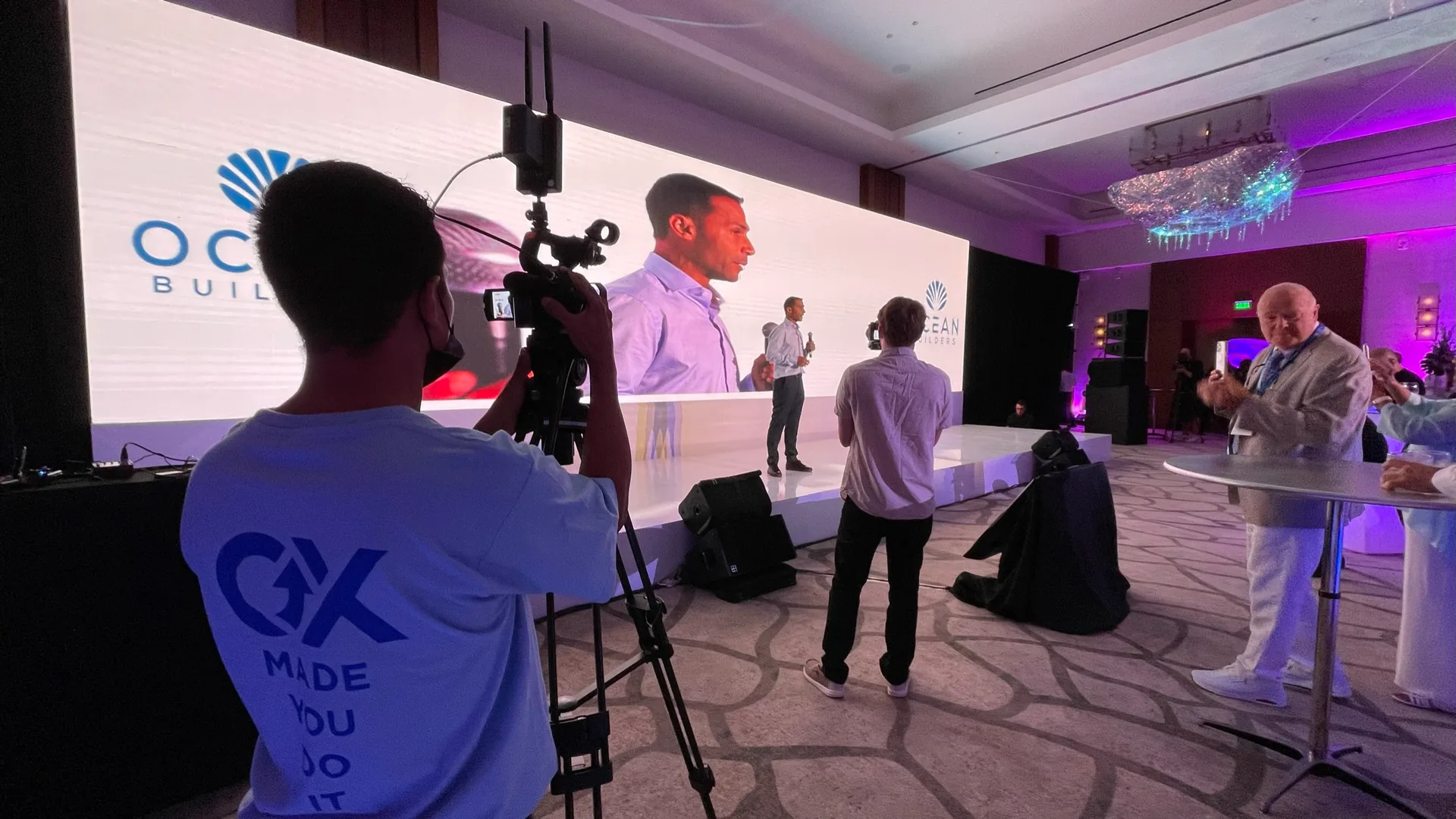

A creative director's responsibilities: organize before creating
Creative direction connects an idea with a need. A creative director's responsibilities go beyond choosing colors or approving a beautiful photograph: they include understanding the problem, proposing a concept and guiding the team so that each piece communicates something recognizable. That connection should be maintained from the first brief through delivery.
The concept needs a reason to exist. A campaign can have an impeccable finish and still fail to answer the audience's question. Before requesting designs, write down what the person should understand or do and what information they lack. That sentence lets you discuss specific decisions without turning the review into a competition of tastes.
Creativity is built with different specialties. Copywriting, design, strategy, photography, production and development can offer different responses to the same challenge. Creative direction does not replace all those crafts: it proposes a shared intention, listens to their limits and helps the result remain coherent as it moves from one discipline to another.
The starting point is an understandable interaction. The guide to what live marketing is shows how to relate an offer to a clear audience action. Here we address the responsibility of the person translating that intention into a concept, production instructions and a review the team can use.
Researching and defining the creative problem
Research avoids designing only for the team. Review what the client requests, what the audience needs and the context in which they will encounter the message. Conversations, frequent inquiries and existing materials can reveal an important difference: what the company wants to say does not always match the information a person needs to decide.
A useful brief establishes decisions and limits. Include the problem, audience, expected action, available evidence, channels and time or production constraints. Add what we still do not know. If the budget allows a simple piece, do not propose an idea that depends on resources no one has confirmed.
Understand first, then propose alternatives. The Design Council's Double Diamond distinguishes discovering, defining, developing and delivering. It is a reference for separating exploration from decision, rather than a recipe guaranteeing results. In a creative review, it helps us ask whether we have understood the challenge or are defending a solution too soon.
A good question makes the offer more precise. Instead of asking for something innovative, state what the visitor should be able to compare, which question they need answered or what experience would let them verify a feature. That formulation opens up different ideas and later offers a criterion for choosing them without relying on novelty alone.
Coordinating before producing
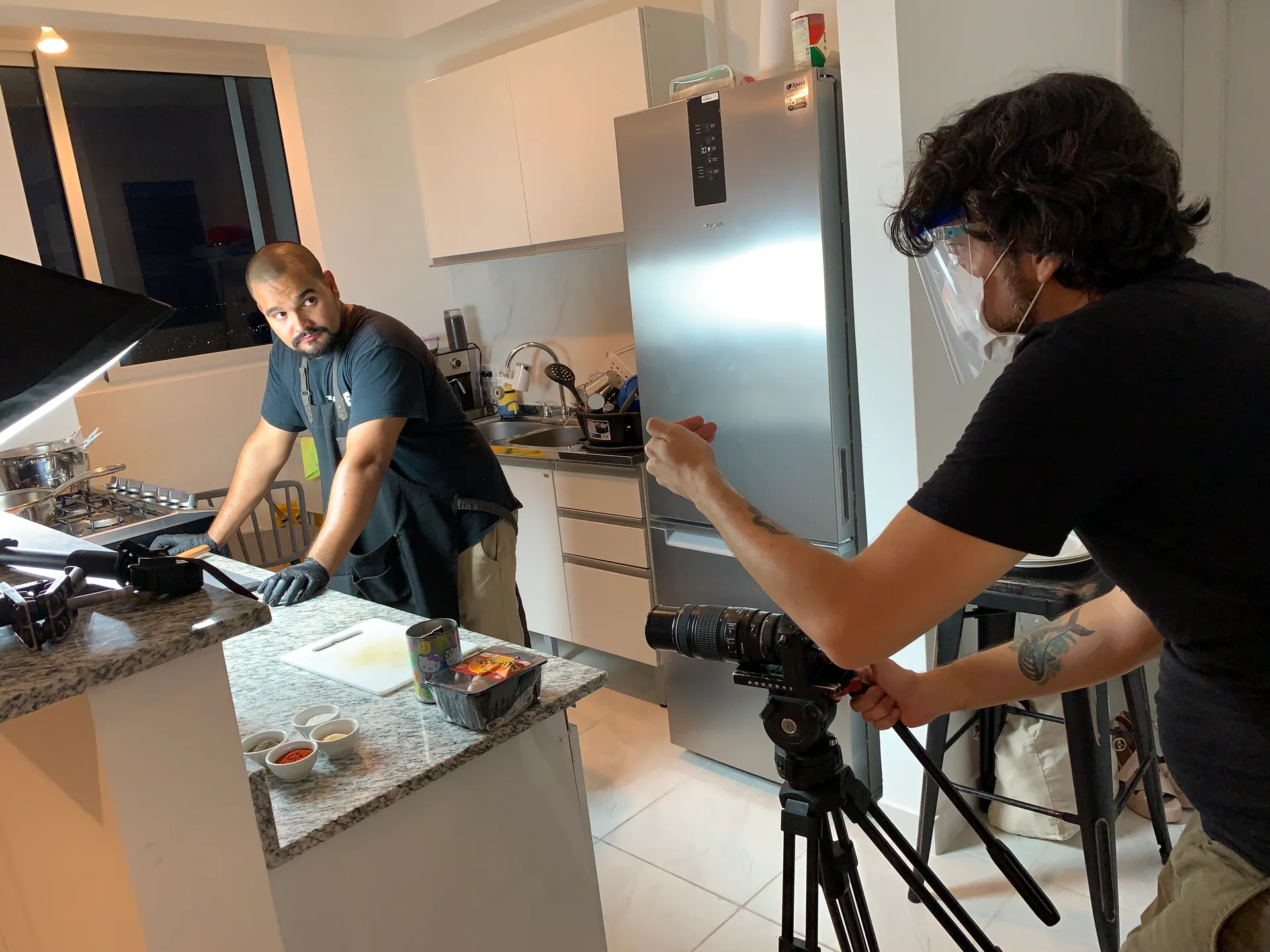
Developing concepts and choosing a direction
The concept should be explained before it is decorated. Summarize the idea in a sentence and describe what will happen when someone sees or uses the piece. Then explain why that sequence addresses the brief. If many effects are needed to make the offer seem relevant, it is worth reviewing the link between message and need first.
Comparing options requires using the same criteria. Present alternatives with an equivalent structure: idea, function, resources, limitations and an execution example. Do not compare an incomplete sketch with a finished proposal. A fair comparison helps distinguish what the concept contributes from what the visual quality of its presentation contributes.
Creative disagreement can become a test. If the team is unsure whether to use an explanation or a demonstration, build small versions of both. Observe what is understood, what questions arise and where help is needed. That test does not replace a complete campaign evaluation, but can reveal problems before committing the entire production.
The choice should be documented. Record the selected concept, its rationale, conditions of use and rejected options. Preserve sketches that explain the decision and indicate which version is the current reference. When a constraint changes, the team can review that reasoning and adjust the solution without debating every project element from scratch again.
Coordinating the team without erasing its responsibilities
Coordinating does not mean personally performing every craft. One person may take on several functions in a small team, but it is useful to name them separately. Who writes, designs, produces, checks facts and approves should be clear. This prevents a visual review from being interpreted as authorization to publish any claim.
Feedback should identify an observable problem. Explain which part fails to fulfill the intention and what consequence it has for the person. Saying the title hides the main action is more useful than saying it lacks strength. Also recognize what should be preserved so that the change does not undo decisions already resolved.
Handoffs need context and deliverables. When moving from concept to production, provide versions, dimensions, references, approved texts and relevant constraints. State what can be adapted and what requires consultation. A folder with many files does not replace a brief explanation of which one is current and what each element is used for.
Reviews work better with clear owners. The Atlassian roles and responsibilities exercise proposes making tasks explicit, identifying gaps and agreeing on who takes them on. Here we use it as a coordination reference: it helps identify decisions without an owner, rather than serving as evidence of increased productivity or GX results.
From challenge to quality control

Adapting the piece to where it will be seen
Adapting requires reviewing the reading situation. A small advertisement, a screen at an event and a web page do not offer the same time or space. Preserve the idea, but adjust the hierarchy, amount of text and available action. Cropping the same file for every format can leave the intention outside the frame.
Visual direction should make the message understandable. Check whether the title is legible over the photograph, whether the logo retains contrast and whether the composition distinguishes main from supporting information. Also review a small version. A piece that works enlarged in a presentation may lose its usefulness on the audience's device.
Images need a specific editorial function. Decide whether they show a process, illustrate a context or document an execution. Preserve the original and record each variant's use. A photograph should not promise a result it does not demonstrate; the caption can explain what we are seeing without attributing emotions or effects to its subjects.
Audiovisual content also needs alternatives. Review subtitles, instructions and descriptions according to the material and context. Ask what information is lost without sound or without seeing a detail. These decisions are part of designing the piece and should be planned with the team, rather than added only at the end out of habit.
Evaluating the campaign and preserving learning
Evaluation begins with the brief's question. If the piece was meant to explain a difference, look for evidence of understanding; if it was meant to facilitate an inquiry, review that journey. The guide to measuring brand experiences distinguishes signals that should not be mixed. A view, an interaction and a commercial decision describe different events.
Results need context to be interpreted. Record the period, counting unit and execution conditions. A simultaneous change in format and channel can make it difficult to know what had an influence. Creative direction can propose improvements, but should not attribute every change in sales to the idea without sufficient evidence.
The portfolio lets you review real decisions. When studying GX case studies, observe the challenge, resources and way the work is presented. Use only the facts documented in each case. The pieces support conversations about solutions; they do not turn a past execution into a guarantee that another campaign will produce the same effect.
The next version should respond to something learned. Close the project with a brief note: what you wanted to communicate, what was observed and what you would change. That synthesis lets you reuse judgment, rather than just files. The best creative continuity preserves a clear intention and improves how it is made accessible to people.
Documentation and editorial judgment
Design Council: The Double Diamond. Conceptual reference for discovering, defining, developing and delivering; it does not substantiate GX results.
Atlassian Team Playbook: Roles and Responsibilities. Exercise for defining responsibilities; its commercial figures are excluded, and no results of our own are attributed.
Frequently asked questions
What are a creative director's responsibilities?
Understanding the challenge, developing concepts, guiding production and reviewing the coherence of the pieces. Specific responsibilities depend on the project and should be agreed on with the team.
Is creative direction the same as graphic design?
No. Graphic design develops visual solutions; creative direction connects the concept with the goal and coordinates different disciplines. One person can perform both roles if their responsibilities are clear.
What should a creative brief contain?
Problem, audience, expected action, available information, channels and constraints. It should also identify outstanding questions and who decides, so assumptions are not hidden inside a finished proposal.
How do you review an idea without relying on taste?
Compare the proposal with the brief and test what it communicates in its usage context. Identify observable problems and preserve the decisions that do work.