

Design thinking: understand before producing
Design thinking helps explore problems through people's experience. It combines observation, definition, ideas and tests to learn before committing to full production. It does not turn an intuition into truth or guarantee innovation. Its usefulness appears when what we discover changes a specific project decision.
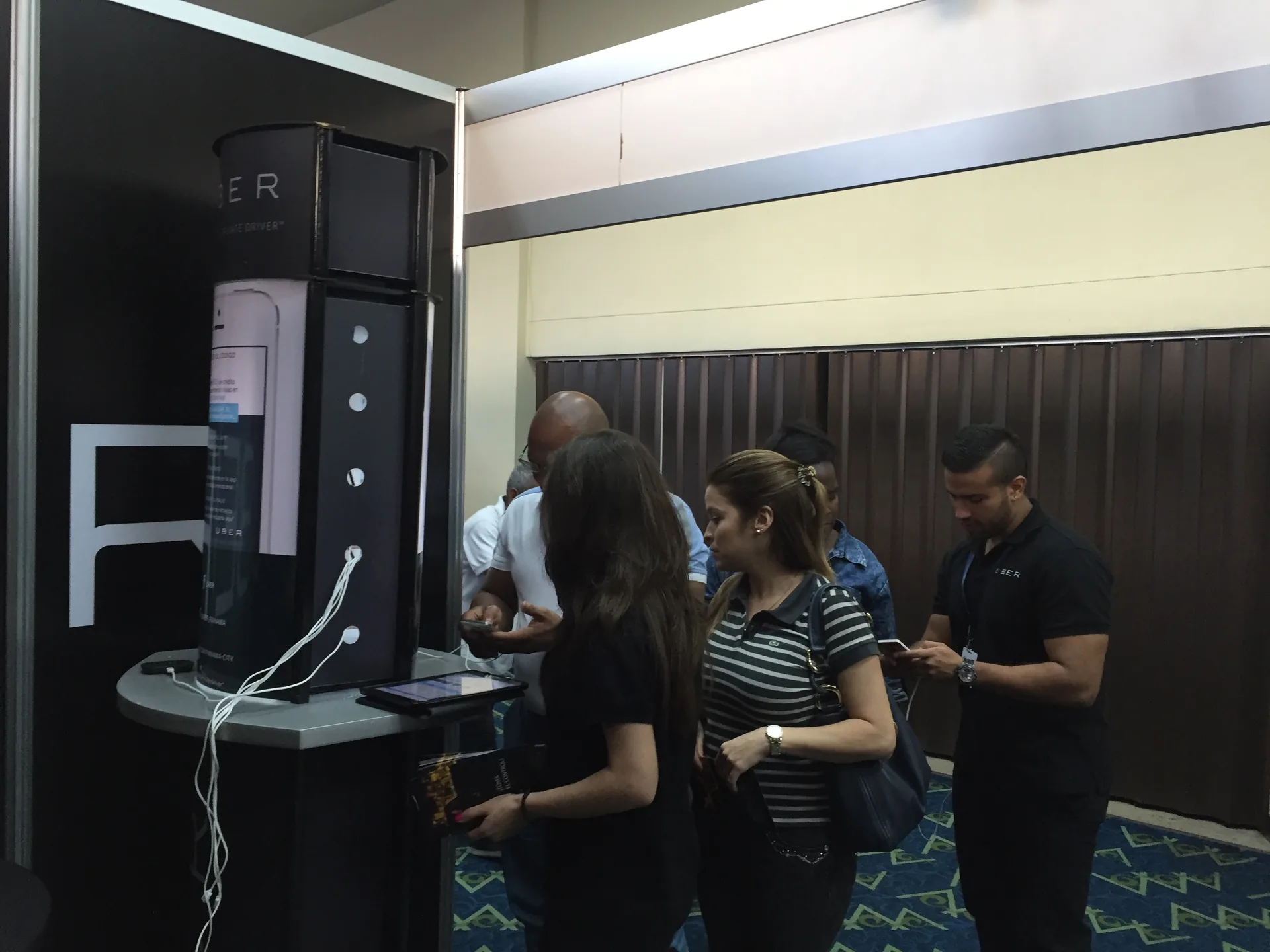
The starting point can be a small difficulty. Imagine a demonstration where people approach, look and leave without participating. The team might request a bigger screen even though the problem was a confusing instruction. Investigating first helps distinguish a possible solution from the need it seeks to address.
Frameworks help organize the work, not turn it into a mandatory staircase. The Design Thinking Bootleg from Stanford d.school distinguishes five modes: empathize, define, ideate, prototype and test. It presents them as tools for exploration. You can return to an earlier question when a test reveals something you had not considered.
The brand experience begins with what the person understands and does. Our explanation of live marketing connects those decisions with interaction. In this article, we will follow the demonstration as a hypothetical example: it is not a measured GX case or a recipe to apply identically to every activity.
Listen and observe without completing the story for the user
Observing means paying attention to a situation, not guessing intentions. In the demonstration, record where someone stops, what they look at and when they ask for help. A quick exit may have several explanations. Note what happened before writing that the person was bored or rejected the brand.
Open questions leave room for unexpected answers. Ask what they thought would happen or what they found difficult. Avoid starting with the explanation you want to confirm. Then listen and, if something is unclear, request a specific example rather than finishing the sentence for the respondent.
Also listen to those who did not complete the journey. Limiting yourself to enthusiastic participants can hide barriers of access, time or understanding. The guide to audiences proposes looking at needs and contexts, not imaginary profiles. Select people relevant to the assignment and acknowledge situations you have not yet explored.
Look after the context of the conversation and notes. Explain what you are testing and why you are collecting comments. There is no need to request personal data to check whether an instruction is understood. If you need to record or retain identifiable information, first review how that use is authorized and protected.
Observe a test before expanding the solution
Define a problem that allows decisions to be made
Separate observed facts from your interpretations. One note may indicate that several people asked where to start; another may propose that a visible sign is missing. The first describes the test and the second offers an explanation. Keeping them separate makes it easier to review the hypothesis without erasing what was actually seen.
A good question names the person, the difficulty and the context. In the example, we could ask how to help first-time arrivals understand the demonstration without waiting for an individual explanation. That formulation guides the work better than asking for an innovative experience without defining for whom or why.
The double diamond distinguishes exploring the problem from exploring its answers. Design Council proposes discovering and defining before developing and delivering, with the possibility of going back. That distinction helps avoid discussing colors or formats while the team still has different explanations of the difficulty.
Record what is outside this test. Improving the initial instruction does not mean resolving the entire service or demonstrating future sales. Define an observable signal, such as recognizing the first step without help. That limit allows progress and avoids asking a prototype for answers it cannot yet offer.
Generate options without falling in love with the first one
Look for different responses before choosing one. For the same difficulty, you can try a short sign, a visible demonstration or a change in the materials' location. They are not three decorations of an identical solution: each alternative changes a different part of the journey you are trying to understand.
Invite people who know different parts of the experience. Production may identify a space limitation; audience service may recognize a frequent question; design may propose another visual hierarchy. Collaboration contributes when those perspectives help review an idea, not when everyone repeats that they like it.
Choose using criteria related to the problem. Compare clarity, ease of testing, effort and conditions of use. A striking idea may be unsuitable if it needs more time than is available. Preserve discarded options with a brief reason so they are not discussed from scratch again at every meeting.
Design thinking prototypes that teach something
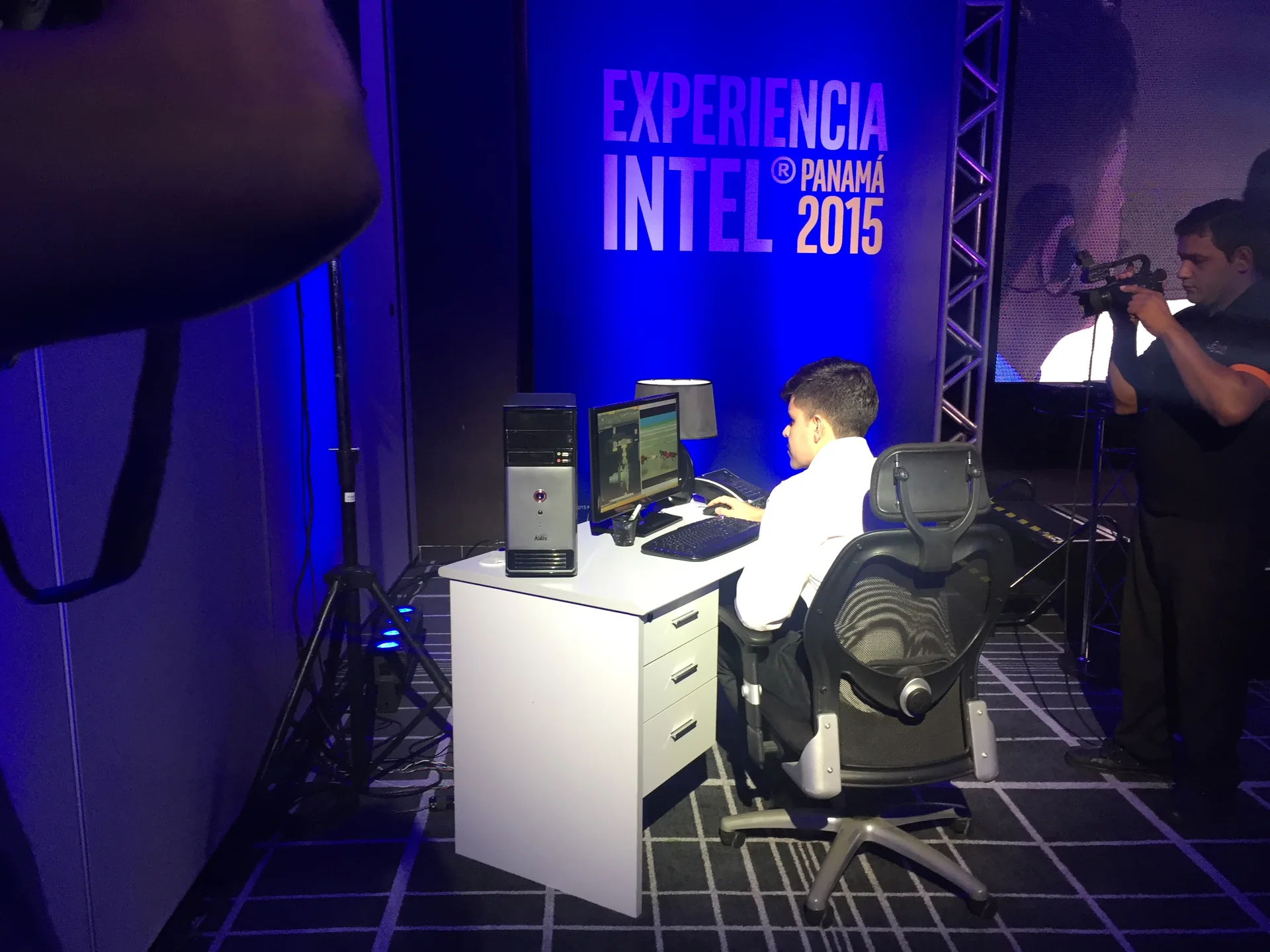
A prototype represents what is necessary to answer a question. It can be a printed sign, a script read aloud or a navigable screen without real connections. You do not need to build the whole system to test an instruction. You do need the person to be able to experience the part you want to observe.
Fidelity should match what you are evaluating. A sketch helps discuss the order of steps, but not check whether text can be read from a distance. If the question is visual, test size, contrast and location. Our visual content guide develops that relationship between piece and context.
Make clear which parts are still simulated. If a screen does not record data or a button sends nothing, explain that scope to participants. The prototype can help understand a journey without pretending there is an operation running behind it. A demonstration and an available service are different things.
Identify each version before comparing it. Preserve the question, the material used and the change made. If you adjust text, location and timing simultaneously, it will be harder to interpret what influenced the result. A recognizable version allows an observation to be connected with the exact proposition the person saw.
Test without steering the person toward the answer
Give an understandable task and leave room to act. Instead of explaining where to press, ask the person to start the demonstration as they normally would. Observe questions before intervening. Helping too early can hide the very difficulty the test was meant to reveal.
Combine what the person does with what they recount afterward. A favorable opinion does not replace observing whether they could complete the task. Ask what they expected and what surprised them. If you need to intervene, record when and why; that help is part of the result and should not disappear from the summary.
A small test can find problems, not describe the whole market. Report who participated, under what conditions and what was not checked. Do not turn a preference between two sketches into a projected conversion figure. Learning should preserve the scope of the available evidence.
Close each test with a specific decision. Keep what resolved the question, modify what caused difficulty or reconsider the problem if the hypothesis does not hold. Going back is not wasting the work: it is using what was observed to avoid expanding a wrong answer.
Move from learning to responsible implementation
A promising idea still needs execution conditions. Review materials, responsible people, accessibility, timing and support before producing at greater scale. One person understanding the prototype does not demonstrate that the complete service can be delivered. The next step combines learning with an operational check.
Measurement should follow the project's question. If you improved understanding, observe understanding; if you need to evaluate inquiries or sales, define another follow-up and its limits. Our guide to measuring experiences helps separate these signals. Do not use a positive comment as a substitute for a commercial result.
The process's value lies in improving decisions, not completing boxes. Start with a real difficulty, test a bounded response and preserve what was learned. When the team can explain what it observed, what changed and what remains to be checked, design thinking stops being a label and becomes useful work.
Design Thinking: visual guide

Documentation and editorial judgment
Stanford d.school · Design Thinking Bootleg. Primary source on five modes and a flexible set of tools. The framework is referenced; cards, illustrations and downloadable material are not copied. Accessed September 26, 2026.
Design Council · The Double Diamond. Primary source for distinguishing discovery, definition, development and delivery, with iteration. It does not substantiate GX results or guarantee innovation. Accessed September 26, 2026.
Frequently asked questions
Is design thinking only for designers?
It does not require everyone on the team to work in design. Bringing together knowledge of the audience, production and operations adds value. What matters is that those perspectives are checked against a real difficulty and what was observed during tests.
Must the steps always be completed in the same order?
No. Frameworks help organize exploration, but a test can reveal a different need and lead the team to redefine the problem. The order should serve learning, not prevent you from reviewing a mistaken assumption.
How finished should a prototype be?
Finished enough to answer the test's question. A sketch can clarify a sequence; checking distance legibility requires realistic size and location. There is no need to finish components that do not influence what you are evaluating.
How do I know whether the process worked?
Review whether it produced a better-informed decision: what difficulty you observed, what you changed and what happened afterward. Keep learning from a test separate from the results of the implemented service. Do not infer sales or profitability from a favorable opinion.
From this idea to your next project
Tell us what you want to achieve. The guide will help organize your inquiry; you can review and correct it before anything is sent.
Prepare your project with GX