
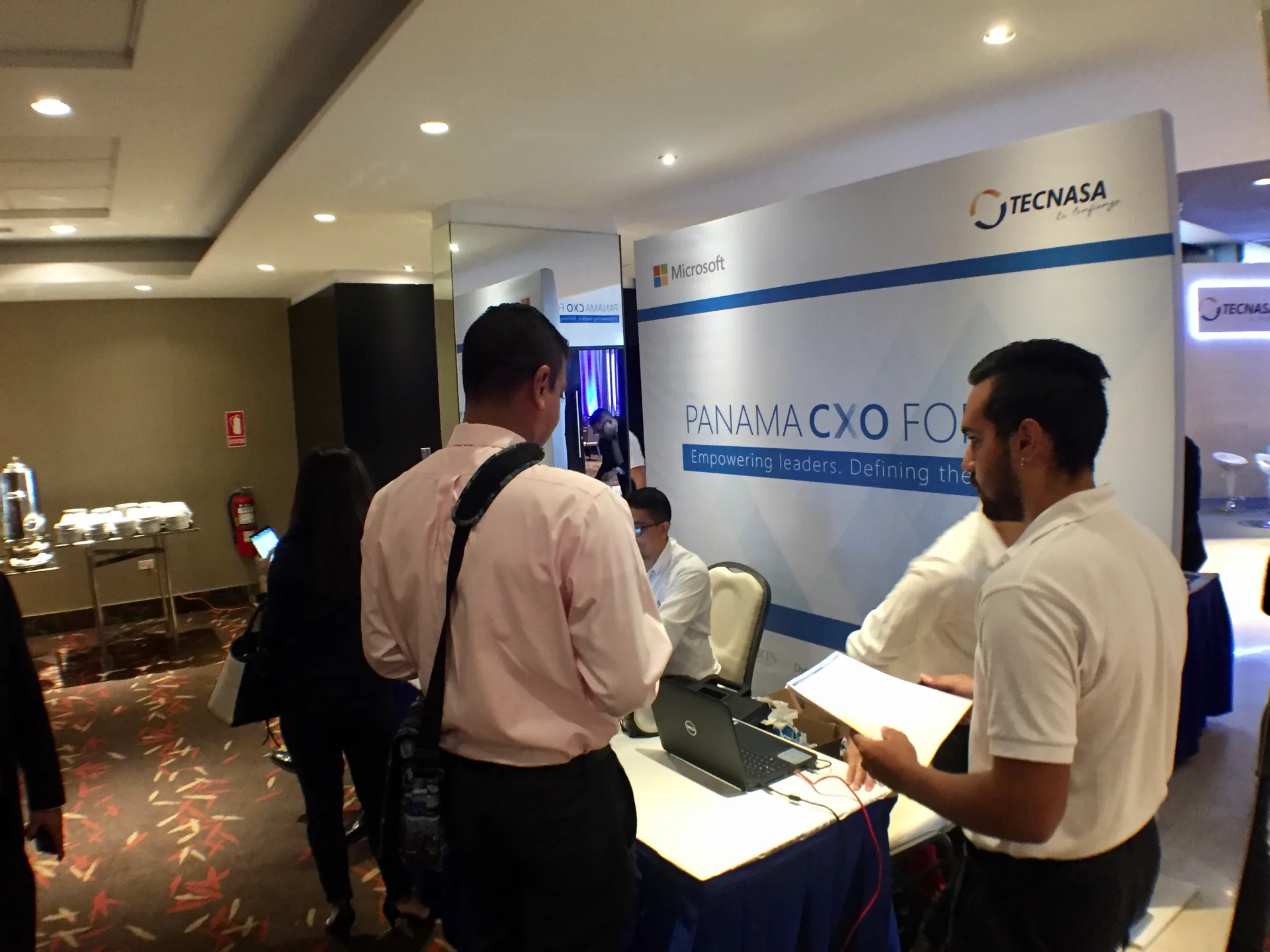

What inbound marketing is: information before pressure
Inbound marketing starts with a question that deserves an answer. The original emphasized useful content and attention to the customer journey. That approach allows work to start from what a person needs to understand, without requiring every reading to end in a commercial inquiry. An article can fulfill its purpose even if its reader does not yet want to hire anyone.
A provider's methodology does not define all marketing. HubSpot presents its inbound approach through attracting, interacting with and supporting customers. Here that explanation is consulted as a reference for its proposition, not as a guarantee of results or an obligation to use its platform. A company can assess the approach without adopting particular software.
The journey does not always move in a straight line. Someone may discover an idea, return with another question or compare several alternatives before making contact. Design content that helps in those situations and allows context to be resumed. Do not interpret a pause as failure or a download as an automatic step toward a purchase.
Relevance begins with listening to the audience's language. Questions received and recurring doubts help define specific topics. The guide on what an audience is develops how to recognize needs without reducing people to labels. That reading is more useful than inventing a detailed profile no one has checked.
Attracting means answering a recognizable need
A piece needs one main question. It can explain a concept, compare options or show a procedure. Write what the reader will be able to understand at the end and organize the content around that promise. An attractive title loses value when the body requires too much prior context or changes topic before resolving the initial question.
The format depends on the work the explanation does. A text can develop criteria; a photograph can show a detail; an infographic can organize a process. Do not add a format just because it is available. Check what information it makes clearer and what the reader needs to interpret it without assistance from its designer.
A search brings together different intentions under similar words. Someone asking what a term means does not necessarily need a service proposal. Someone comparing alternatives may value scopes and limits. Distinguishing those questions allows related pages to be prepared without repeating the same article or hiding basic information behind a commercial invitation.
Content should belong to a broader conversation. The guide on content marketing helps organize topics and meaningful next readings. A group of related pieces can answer successive questions, provided each retains its question and contributes its own information. Publishing a lot does not equal building a useful journey.
Welcome those who choose to approach
Turn curiosity into a voluntary conversation
A clear next step allows a decision without guessing. If you propose reading another guide, describe what it expands on. If you invite someone to a conversation, explain its purpose and what they can expect. Avoid having every path lead to the same form when needs differ. Continuing should feel coherent with what you have just explained.
Sharing contact details does not equal entering into a contract. A request may express interest in receiving information or resolving a specific question. Preserve that context before preparing another message. Calling every record a customer hides important differences and can cause follow-up that does not match the decision the person made.
The purpose should be understood before providing information. Describe what you request and why you need it, in simple language. Review whether each data item contributes to that purpose. A larger collection does not imply better understanding of the audience; it can add work and interpretations that do not help answer the initial question.
The experience also includes not continuing. Allow people to finish reading, decline an invitation or change a preference without editorial pressure. If there will be follow-up, define how to recognize that decision before preparing the next step. This design criterion accompanies the review of applicable obligations; it does not replace advice about a specific campaign.
Support evaluation without assuming a close
A comparison needs criteria that help people choose. Explain a proposition's scope, conditions and limits as carefully as its possibilities. A case can illustrate an experience, but should only present data whose origin you can substantiate. Do not turn a hypothetical example into a result achieved by a client or GX.
The demonstration should resolve a specific question. Before preparing it, identify what aspect is difficult to understand from a description. It may be an interaction, a sequence or a difference in format. Show that point with clear instructions and preserve room for questions. A showy presentation does not replace explaining what the person can do.
The commercial stage needs sufficient information. An inquiry may require clarifications about scope, resources or pending decisions before a proposal. Do not accelerate the journey by treating an initial question as acceptance. Closing depends on a real decision and agreed conditions, not on completing a sequence designed by the team.
Continuity can exist after a purchase. An explanation of use, an answer or guidance can remain useful. Do not present that service as assured retention or an automatic source of referrals. Its first function is to address the remaining need, even when it does not produce another immediate transaction.
From a question to service

Prepare inbound marketing follow-up before automating
The sequence begins with revisable drafts. Describe what question each piece answers, what condition allows progress and when it should stop. A welcome and a comparison do not need the same invitation. Keeping those differences visible allows content to be reviewed without activating a provider, sending messages or assuming an integration that does not yet exist.
A message needs to preserve the conversation's origin. If someone requested a guide, subsequent communication should acknowledge it and respond to that request. The reading on email marketing develops how to write a relevant continuation. An available address does not authorize a change of purpose or demonstrate that the person expects any campaign.
A response can change the planned journey. If a new question, a decision to stop contact or an already resolved request arises, the team should recognize it. Define a responsible person for those exceptions before expanding the sequence. Automating steps without exit conditions can repeat messages that no longer make sense.
Waiting needs a specific editorial reason. Allowing time to read or compare may be relevant, but there is no universal cadence that guarantees interest. Formulate a hypothesis and preserve context when reviewing it. Do not copy others' intervals as if they were your own results, or confuse a planned schedule with observed execution.
Read signals according to the question they answer
Visits show arrival, not complete understanding. Review what content the person receives and where questions arise. An article with few visits may serve a very specific question; another with many may leave the next step unclear. Reading the data needs context, not a competition to raise every figure without relation to purpose.
Inquiries allow recognition of what remains unclear. Group questions by topic and review whether the corresponding explanation exists. If several people ask for the same instruction, incorporating it into the piece may be better than producing another campaign. A useful observation ends in a specific adjustment and retains evidence of why it was proposed.
The commercial result is verified separately. A download, a form and a purchase are different facts. Define what each action means, when it was recorded and what relationship with the journey you can substantiate. Do not attribute all sales to the last content read or present a coincidence in timing as proof of a single cause.
Build a journey that can be reviewed
Editorial organization avoids publishing isolated efforts. Link each article to the topic it develops and to readings that genuinely expand its answer. Record what content is missing and what already exists to avoid duplicates. The archive becomes a resource when it can be navigated meaningfully, not just when it grows in size.
Review should distinguish content from execution. A draft can be saved and approved without being published; a published piece may have no connected follow-up. Keeping those states separate helps identify what is available and what requires another decision. The inbound approach described here does not announce active GX commercial systems.
Inbound marketing retains value when it respects the person's decision. Listen to the question, prepare an answer and offer an understandable continuation. Review what was observed without promising closing, retention or automatic growth. The editorial direction is to better support a need, not turn every activity into an assumed sale.
Documentation and editorial judgment
HubSpot · What Is Inbound Marketing?. Accessed 26-09-2026: explanation of the provider's own inbound approach and its three stages. It does not substantiate GX results or validate guarantees of growth, retention or referrals.
Frequently asked questions
What does inbound marketing mean in this article?
An editorial approach offering useful information to support questions and decisions. Provider HubSpot's methodology is consulted as its own reference, without turning it into a universal rule or a commercial guarantee.
Does a visit already turn the person into a customer?
No. Arriving, reading, requesting information and contracting are different moments. Record each with its context and avoid attributing an intention the person did not express.
Is software needed to start?
Not to organize questions and prepare revisable content. Integration or automation is another decision and needs purpose, permissions, exit conditions and operation to be checked before activation.
How do you choose between text, video and an infographic?
By the question you want to clarify and the context of consumption. Use an infographic when it organizes a process or comparison; preserve enough text to interpret the idea without relying exclusively on the image.
How do you know whether the journey is helping?
Review resolved questions, repeated doubts and defined actions with their context. Check commercial results separately; a download or inquiry does not demonstrate an attributed sale.